






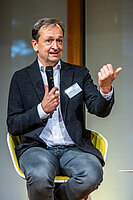
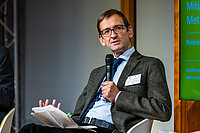
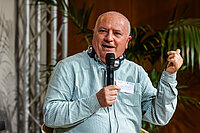
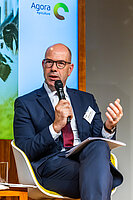
-
Slide Deck
pdf 3 MB
Potentials of on-farm methane mitigation measures
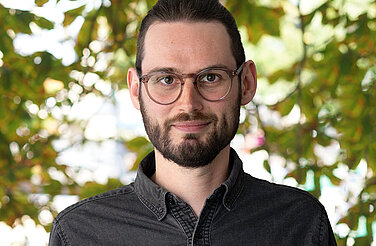
Maximilian Knoll-Rosenberg, Agora Agriculture
-
Slide Deck
pdf 4 MB
Why Methane Matters
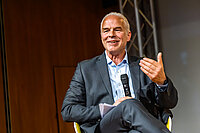
Andy Reisinger, Australian National University, Institute for Climate, Energy and Disaster Solutions
-
Programme
pdf 872 KB
Mitigating Agricultural Methane
Relevance, Potential and Policy Options
Mitigating Agricultural Methane: Relevance, Potential and Policy Options
Dialogue event on pathways and policy options to mitigate agricultural methane emissions in the EU livestock sector
About this event
Methane emissions are becoming increasingly central to climate policy debates. Methane is a potent greenhouse gas with a relatively short atmospheric lifetime. Reducing methane emissions not only contributes to climate neutrality but can also slow warming in the coming decades. For this reason, more than 100 countries launched the Global Methane Pledge in 2021, committing to reducing global methane emissions by 30 percent by 2030. Major dairy producers and food companies have likewise announced ambitious methane reduction targets.
Agriculture is the largest source of methane emissions in the European Union (EU), primarily from livestock production. While emissions from the sector declined during the 1990s and early 2000s, progress has stalled over the past decade. Currently, there is a lively discussion on how the contribution of agricultural methane to warming should be understood and reflected in climate and agricultural policies.
With this conference, we aimed to address 3 key elements of the debate on agricultural methane:
- the relevance of biogenic methane for global warming
- the mitigation potential of technologies and practices as part of a methane reduction strategy
- the policy frameworks needed to incentivise on-farm methane mitigation in the EU livestock sector and create economically viable pathways for farmers
Our goal for the conference was a solution-oriented dialogue with representatives from science, politics, agriculture and the food industry, as well as civil society, incorporating natural scientific, economic and political aspects.
Programme highlights
Keynote: Why methane matters? (by Andy Reisinger, Professor Australian National University)
Scientific panel: The role of agricultural methane in climate change with Myles Allen (University of Oxford), Vera Eory (Scotland's Rural College) and Andy Reisinger (Australian National University)
New Findings: Preliminary results from a new study by Agora Agriculture and partners on the potential of methane mitigation measures
On-farm experiences: Insights from farmers on implementing mitigation measures
Economic opportunities: Creating business cases for reducing methane on farms (farmers’ and business perspectives)
Policy framework: The EU livestock strategy and the ingredients of an enabling policy mix (key stakeholders and policymaker panel)
Slides
The presentations shown during the event are available in the download section below.
Official partner event with

Impressions
-
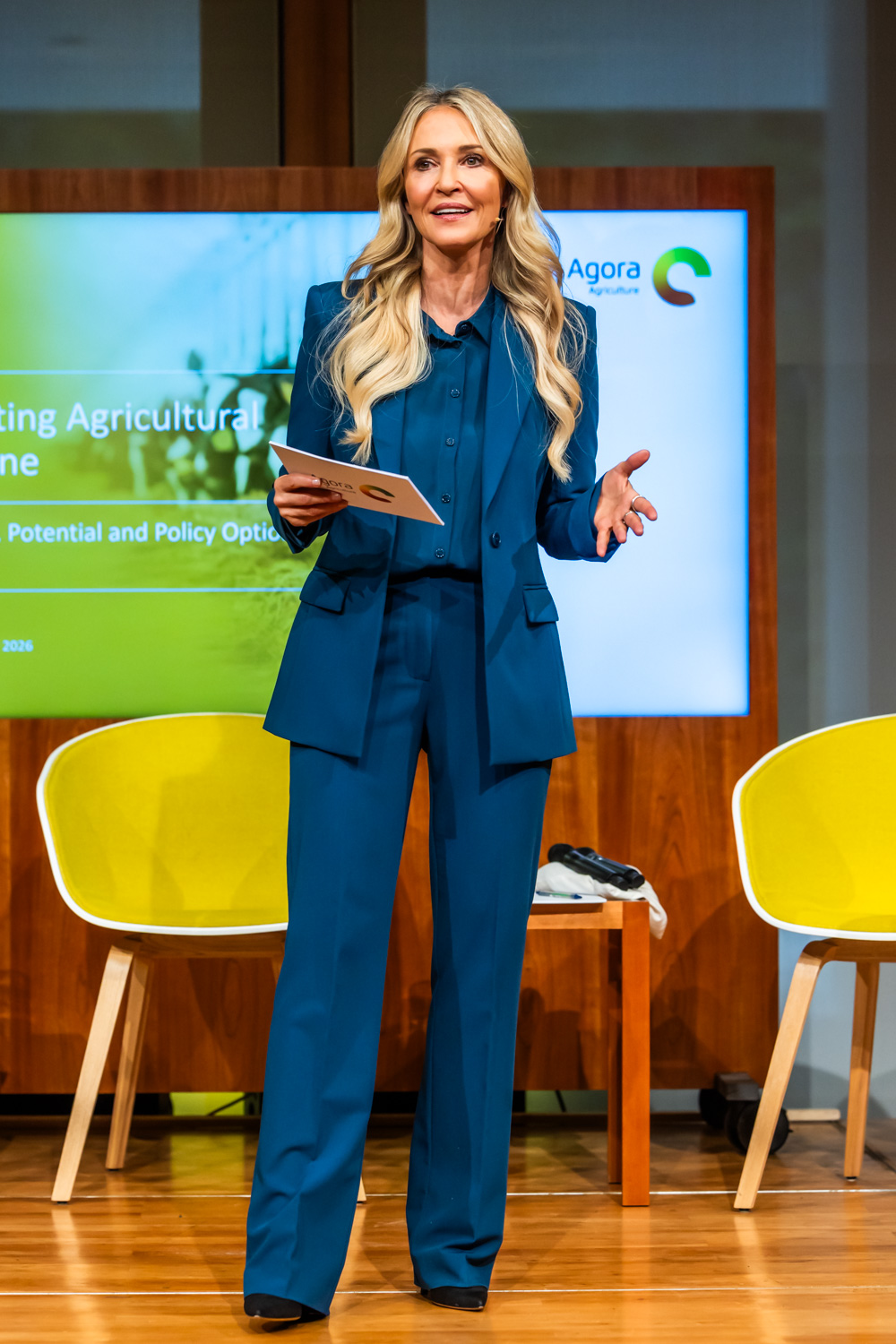
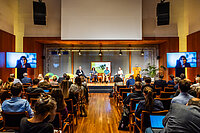
Petra Bindl (moderator) welcomed participants to the conference on agricultural methane. A clear opening for a day of science, practice and policy.
Photo: Rolf SchultenDownload: -
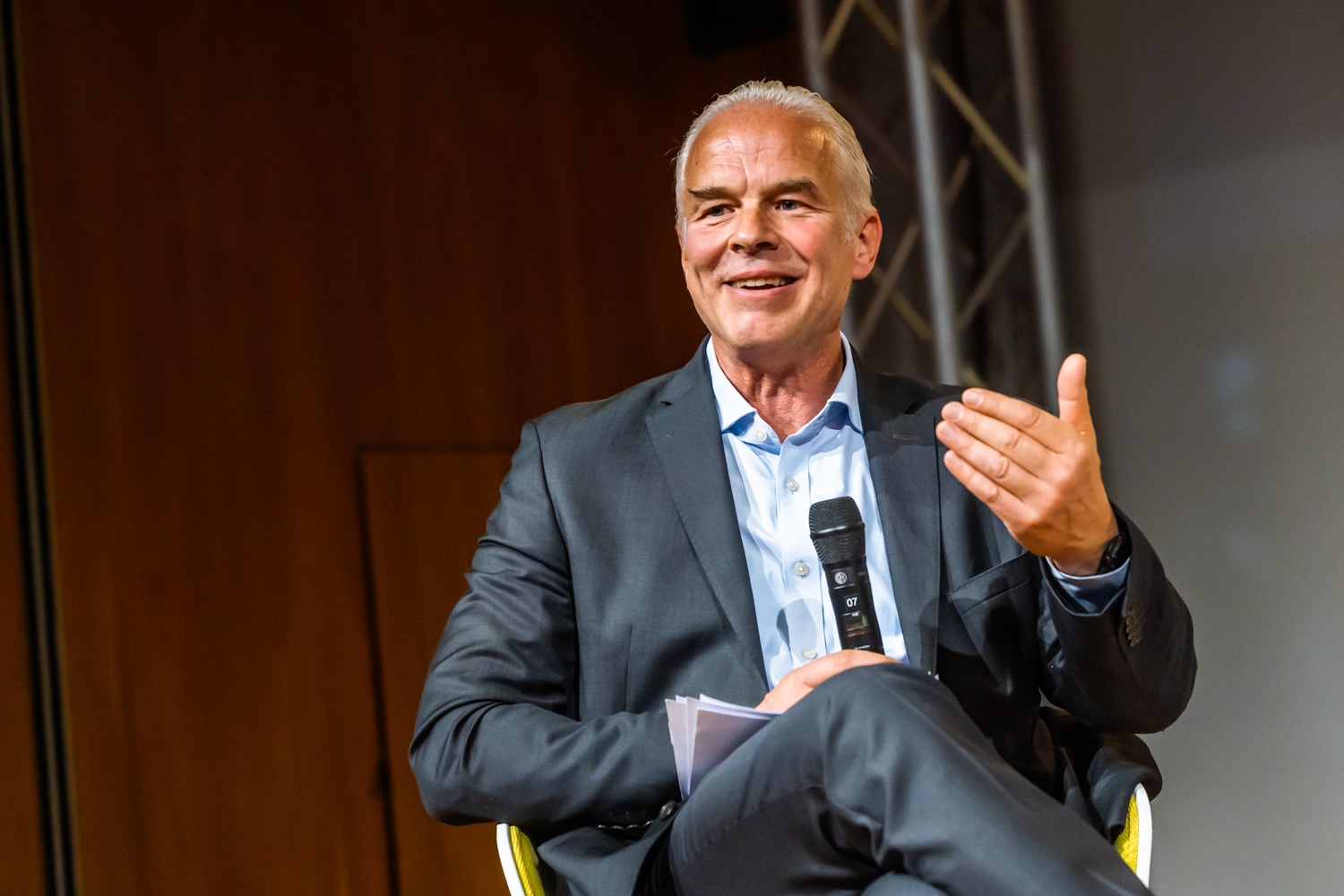
Harald Grethe (Co-Director, Agora Agriculture) welcomed participants and introduced the conference on mitigating agricultural methane. Photo: Rolf Schulten Download: -
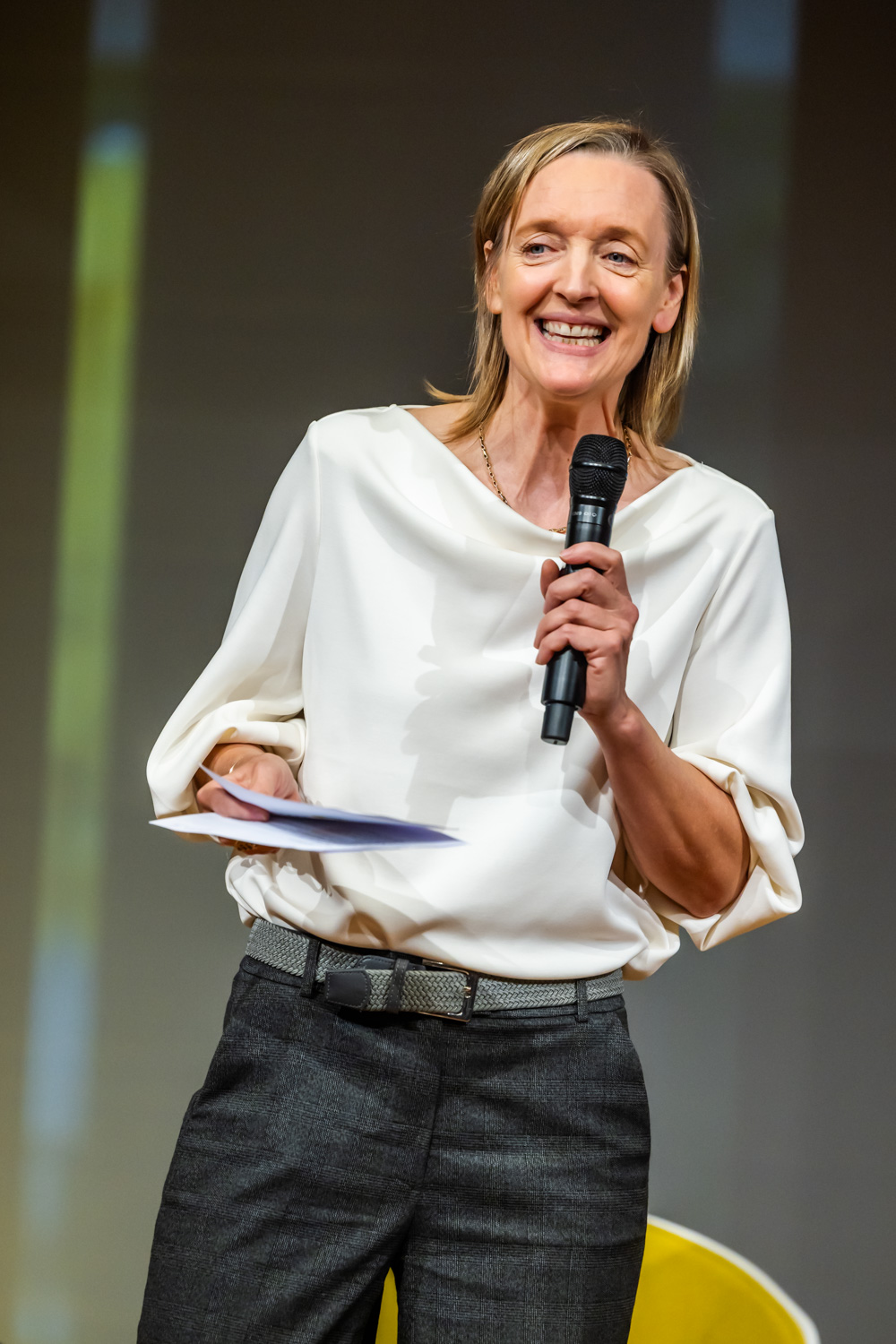
Christine Chemnitz (Co-Director, Agora Agriculture) welcomed participants and set the scene for a day of discussion on agricultural methane. Photo: Rolf Schulten Download: -
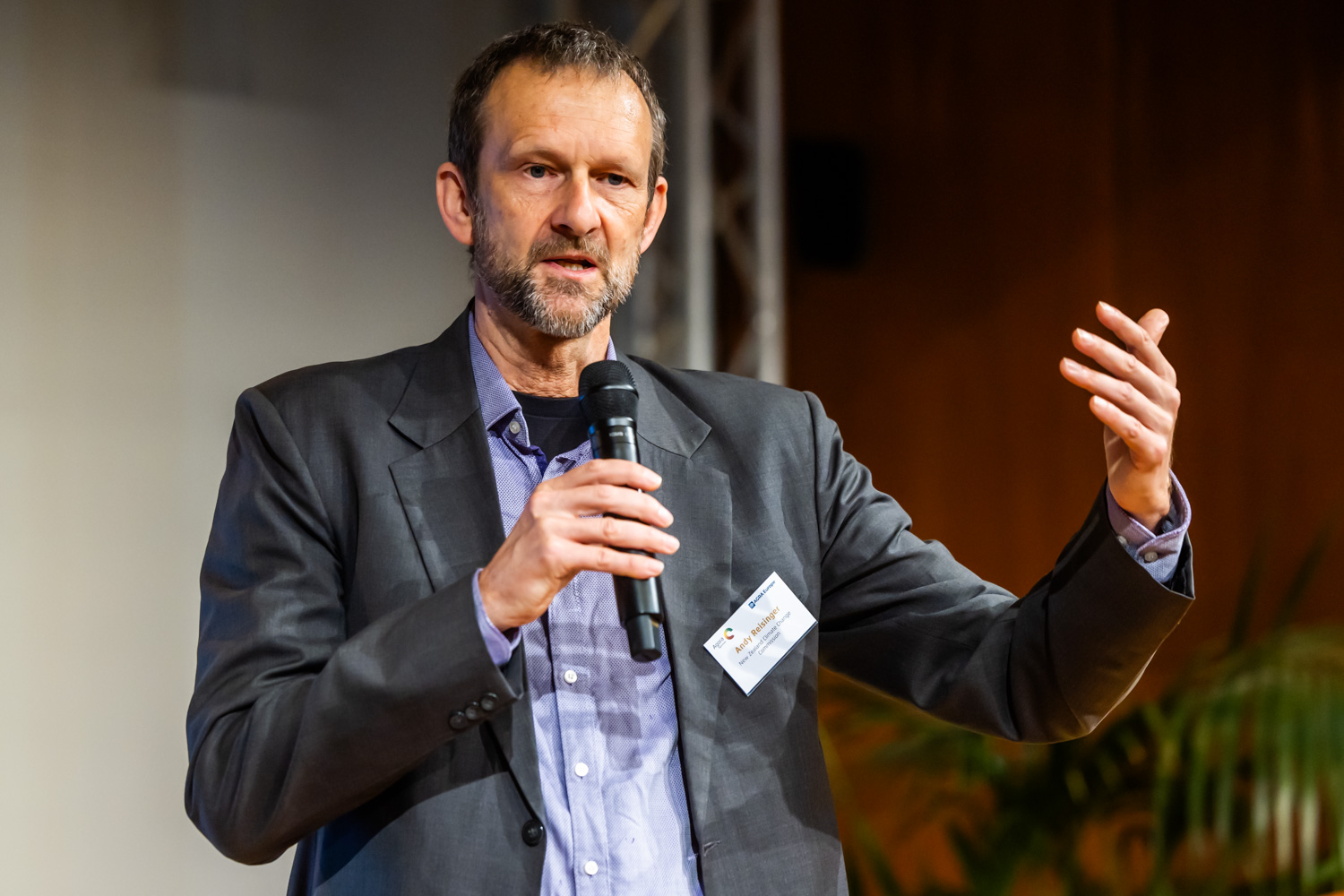
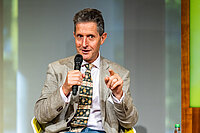
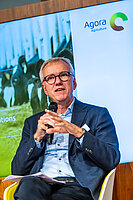
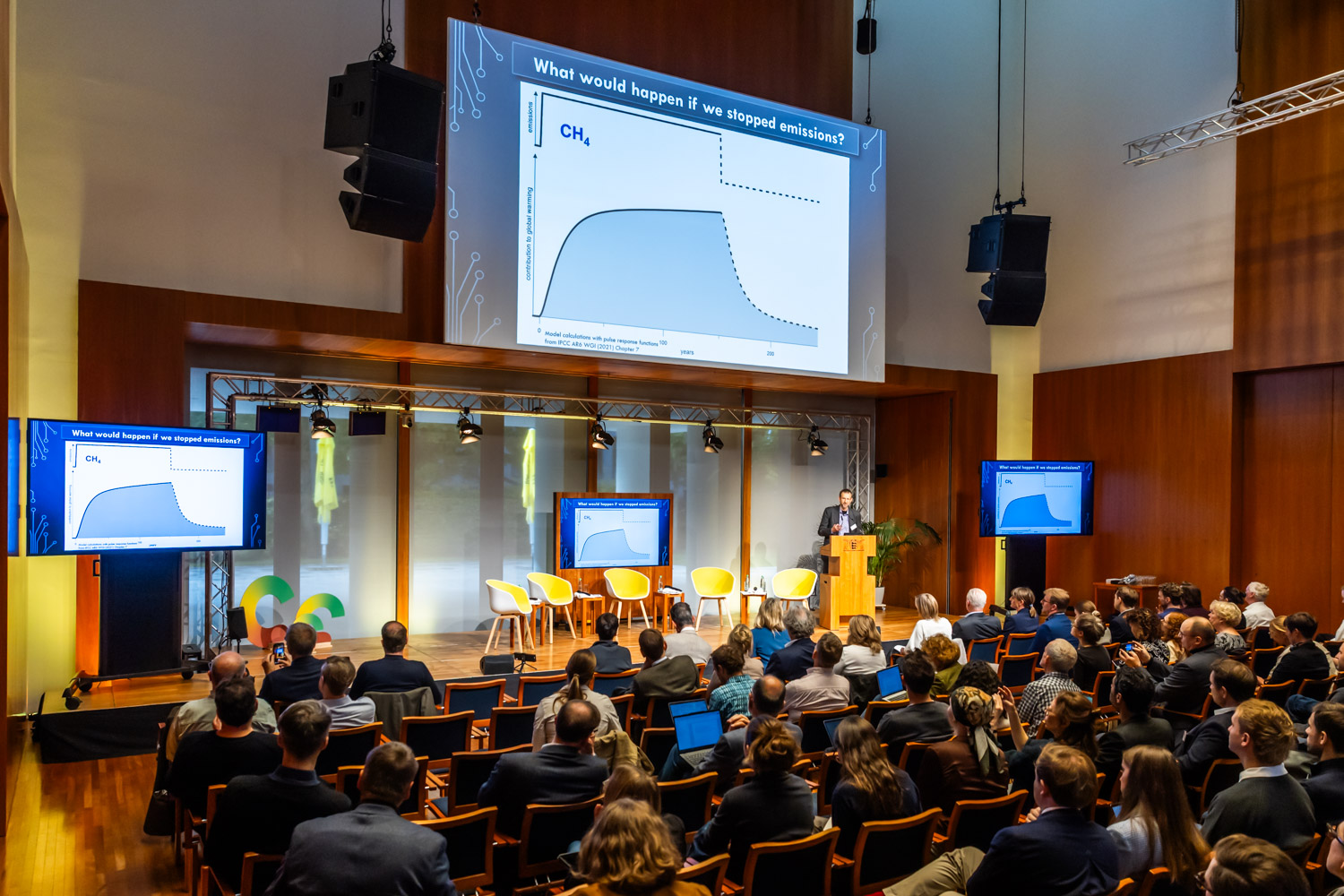
Andy Reisinger (Australian National University) delivered the keynote on why methane matters for climate change.
Photo: Rolf SchultenDownload: -
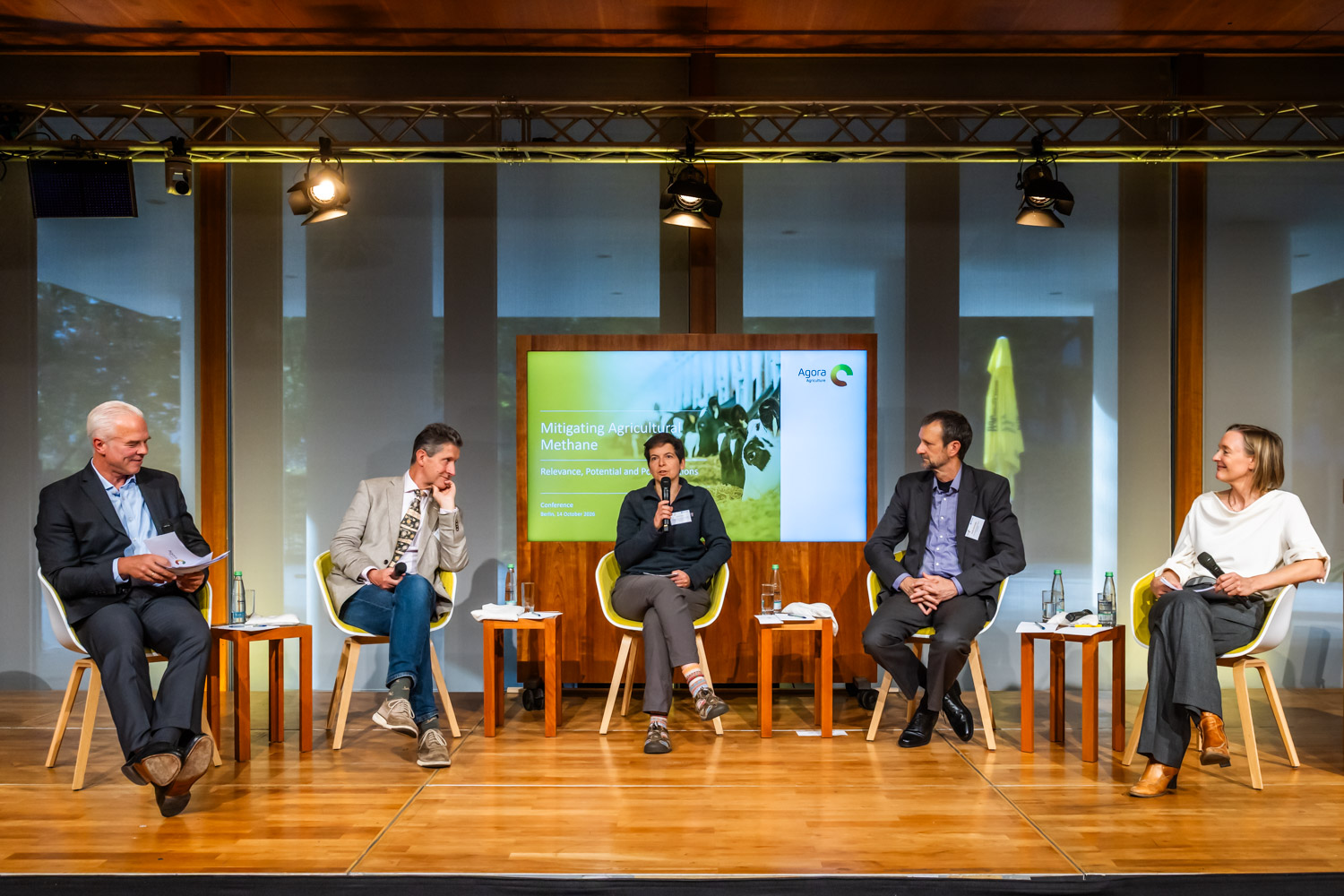
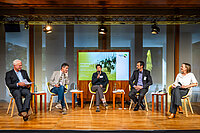
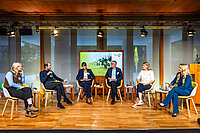
The scientific panel discussed the role of agricultural methane in climate change. From left: Harald Grethe, Myles Allen, Vera Eory, Andy Reisinger and Christine Chemnitz. Photo: Rolf Schulten Download: -
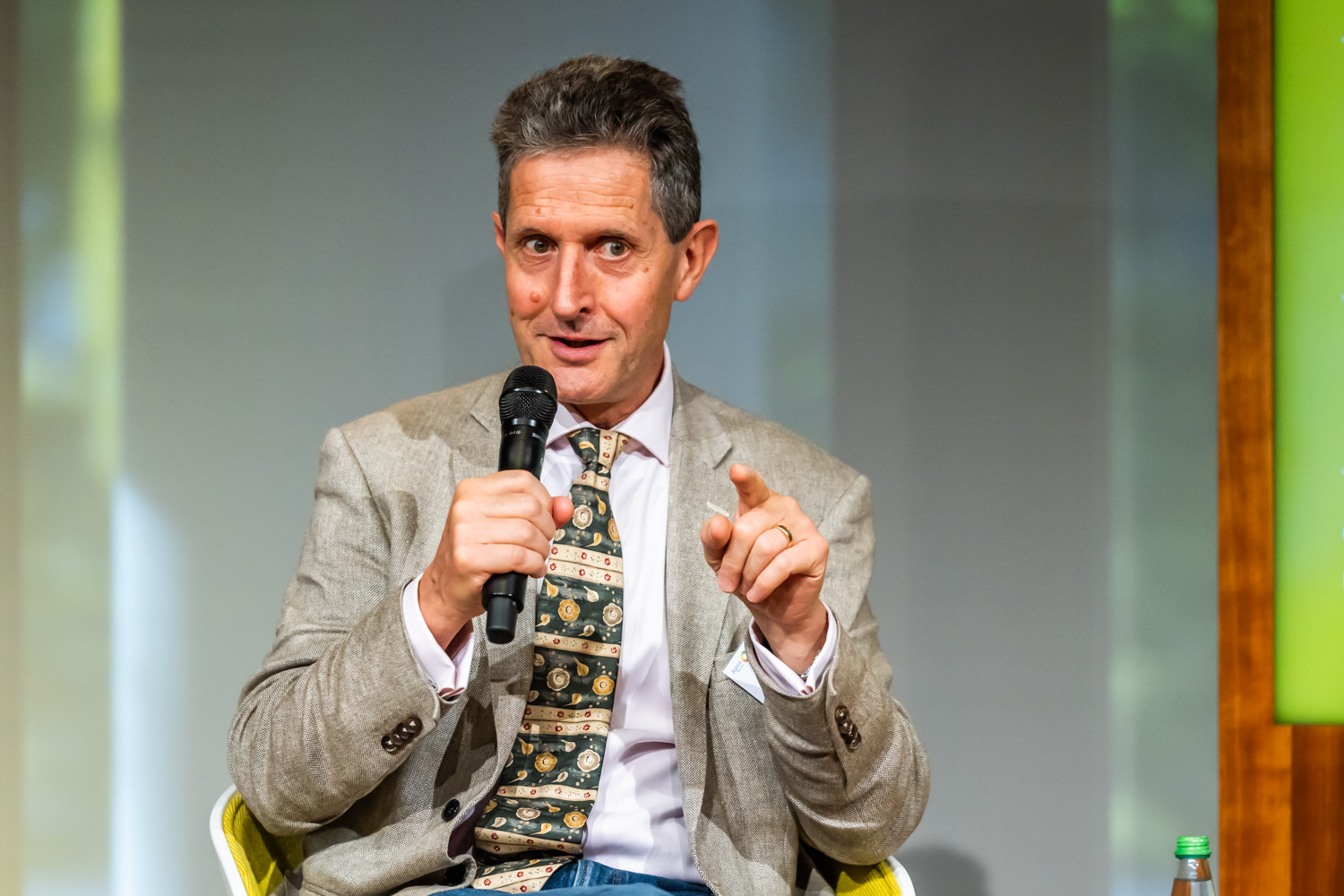
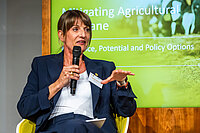
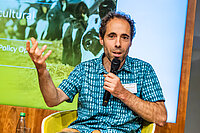
Myles Allen (University of Oxford) contributed to the scientific panel on the role of agricultural methane in climate change.
Photo: Rolf SchultenDownload: -
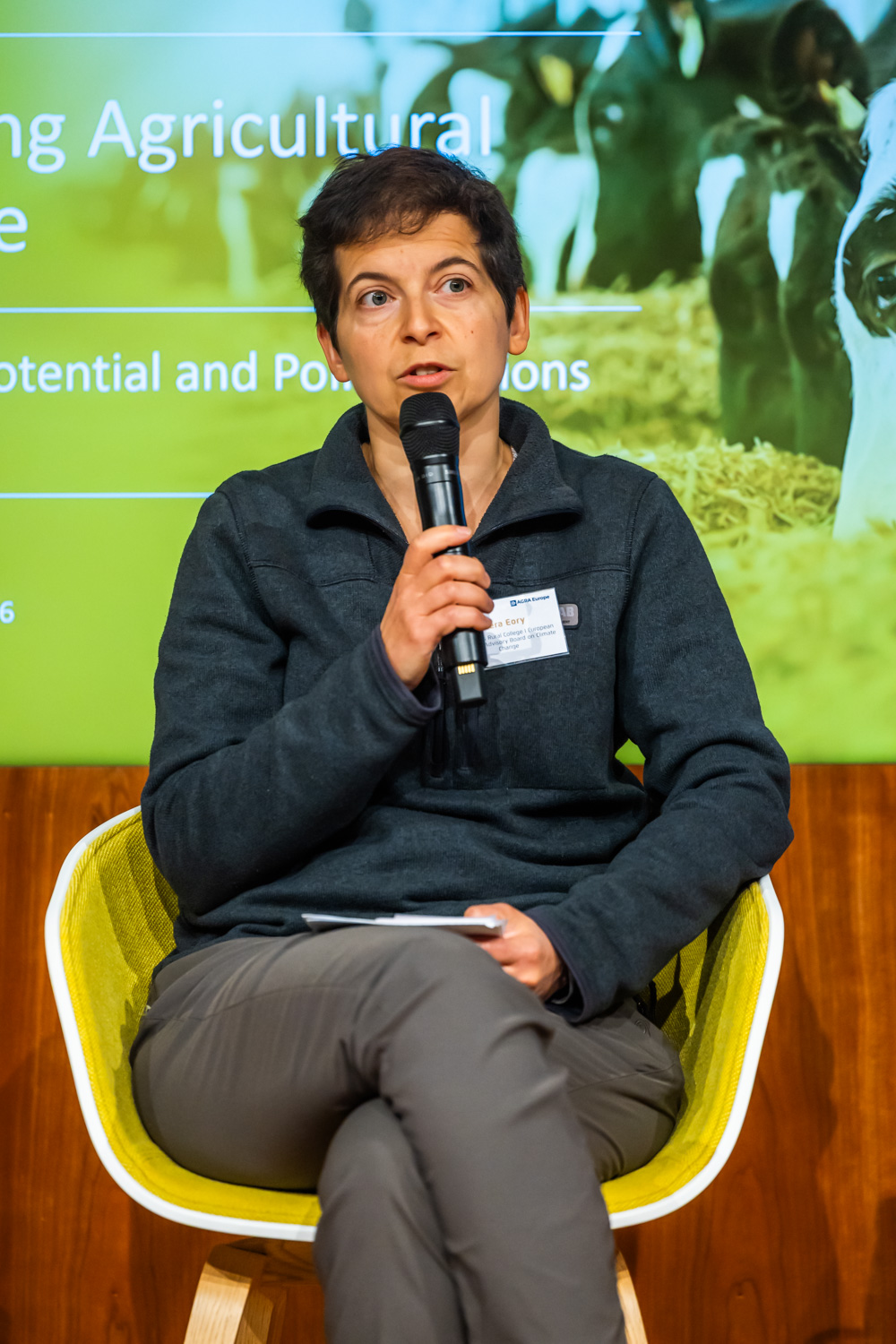
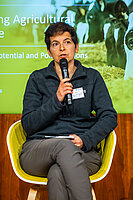
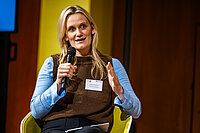
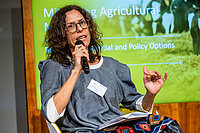
Vera Eory (Scotland’s Rural College) contributed to the scientific panel on agricultural methane and climate change.
Photo: Rolf SchultenDownload: -

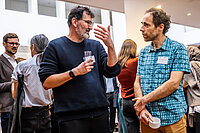
Participants continued the discussion in the breaks.
Photo: Rolf SchultenDownload: -
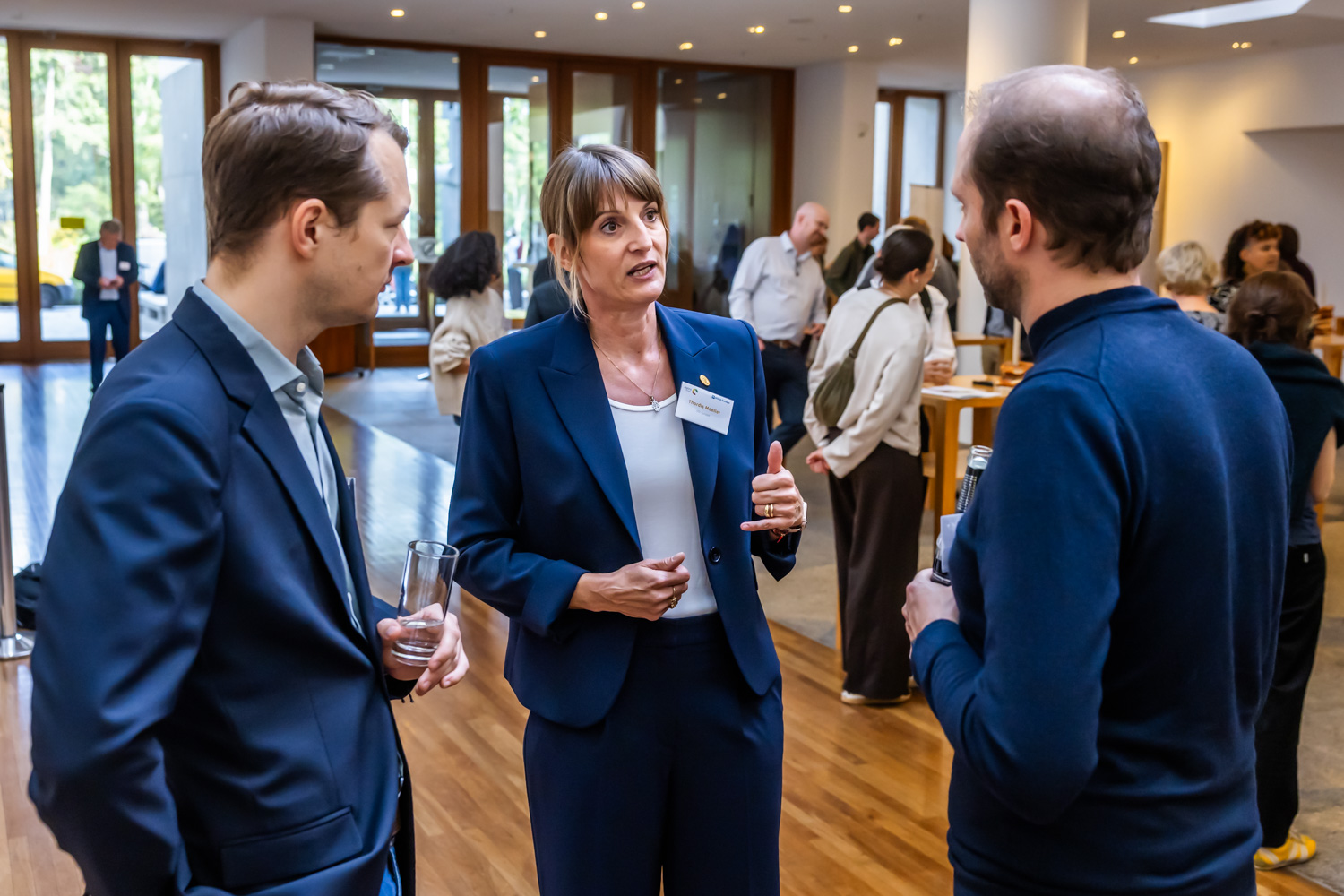
We did not only have a great selection of snacks but also provided participants with a lot of food for thought.
Photo: Rolf SchultenDownload: -
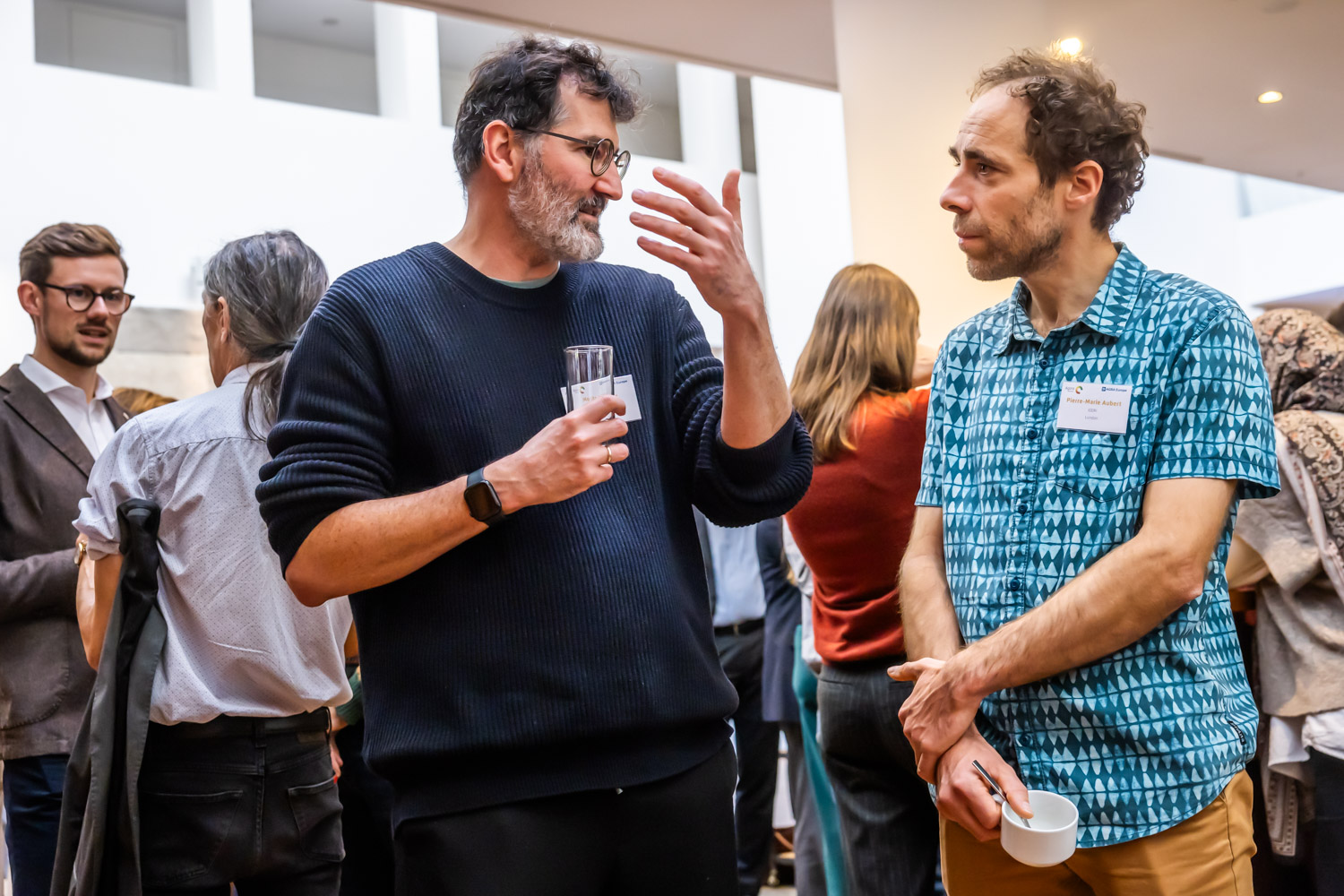
What a valuable exchange we had.
Photo: Rolf SchultenDownload: -
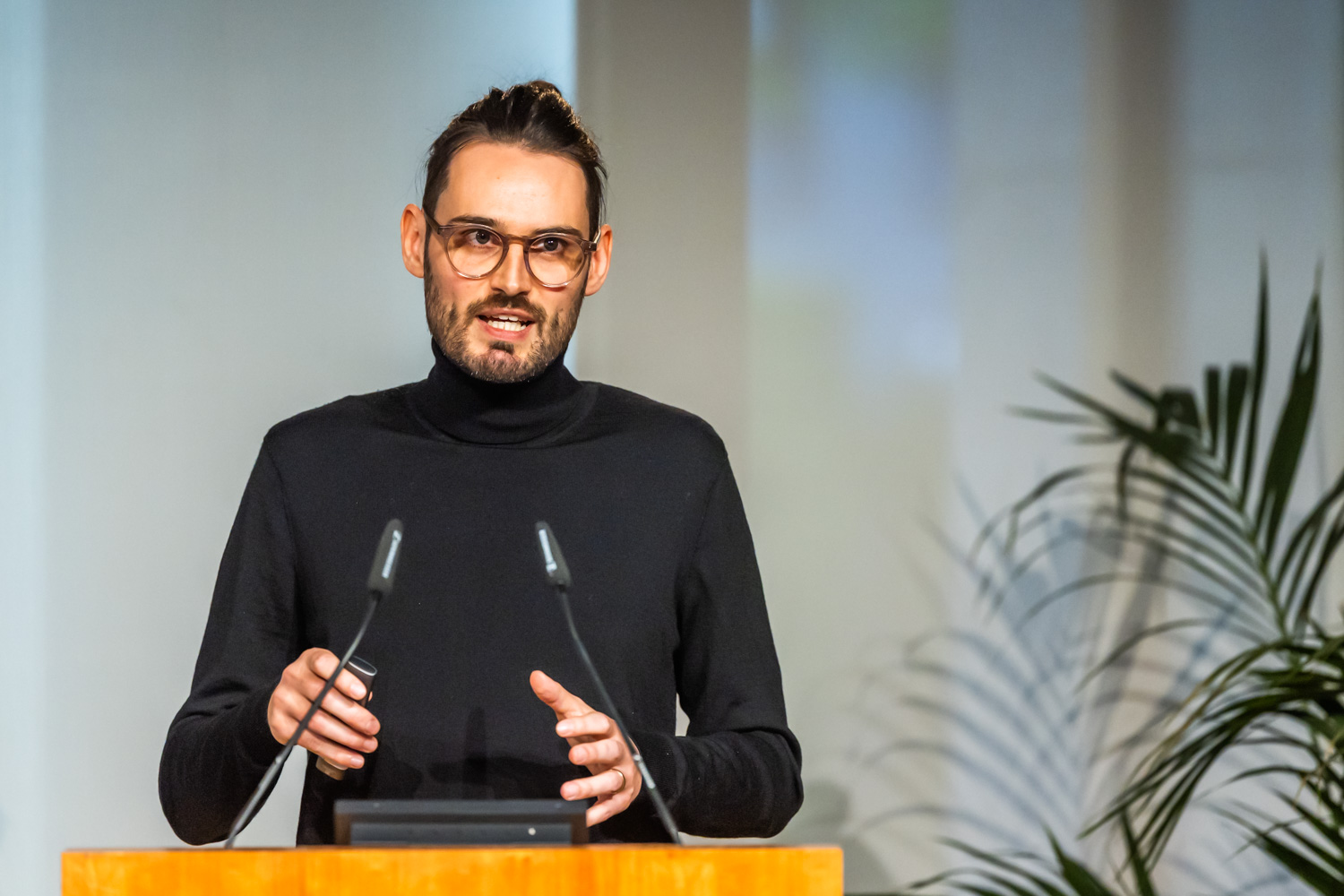
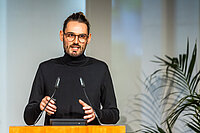
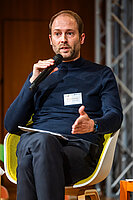
Max Knoll-Rosenberg (Agora Agriculture) gave an impulse on the potential of on-farm methane mitigation measures.
Photo: Rolf SchultenDownload: -
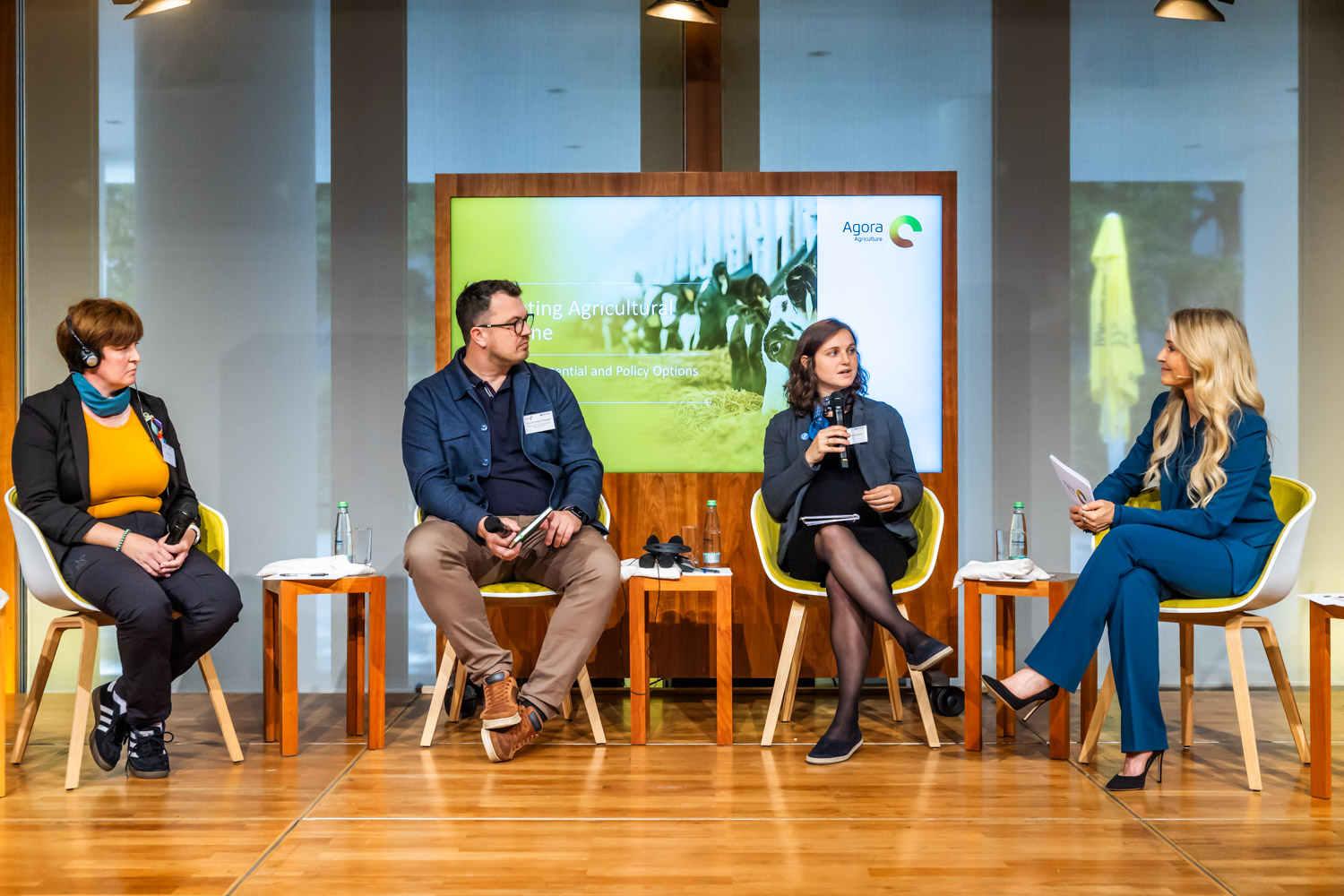
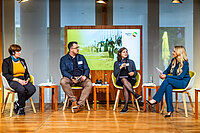
Farmers Jana Gäbert, Jesper Arnth Stampe and Katharina Schobersberger shared experience applying methane mitigation technologies and practices, with moderator Petra Bindl.
Photo: Rolf SchultenDownload: -
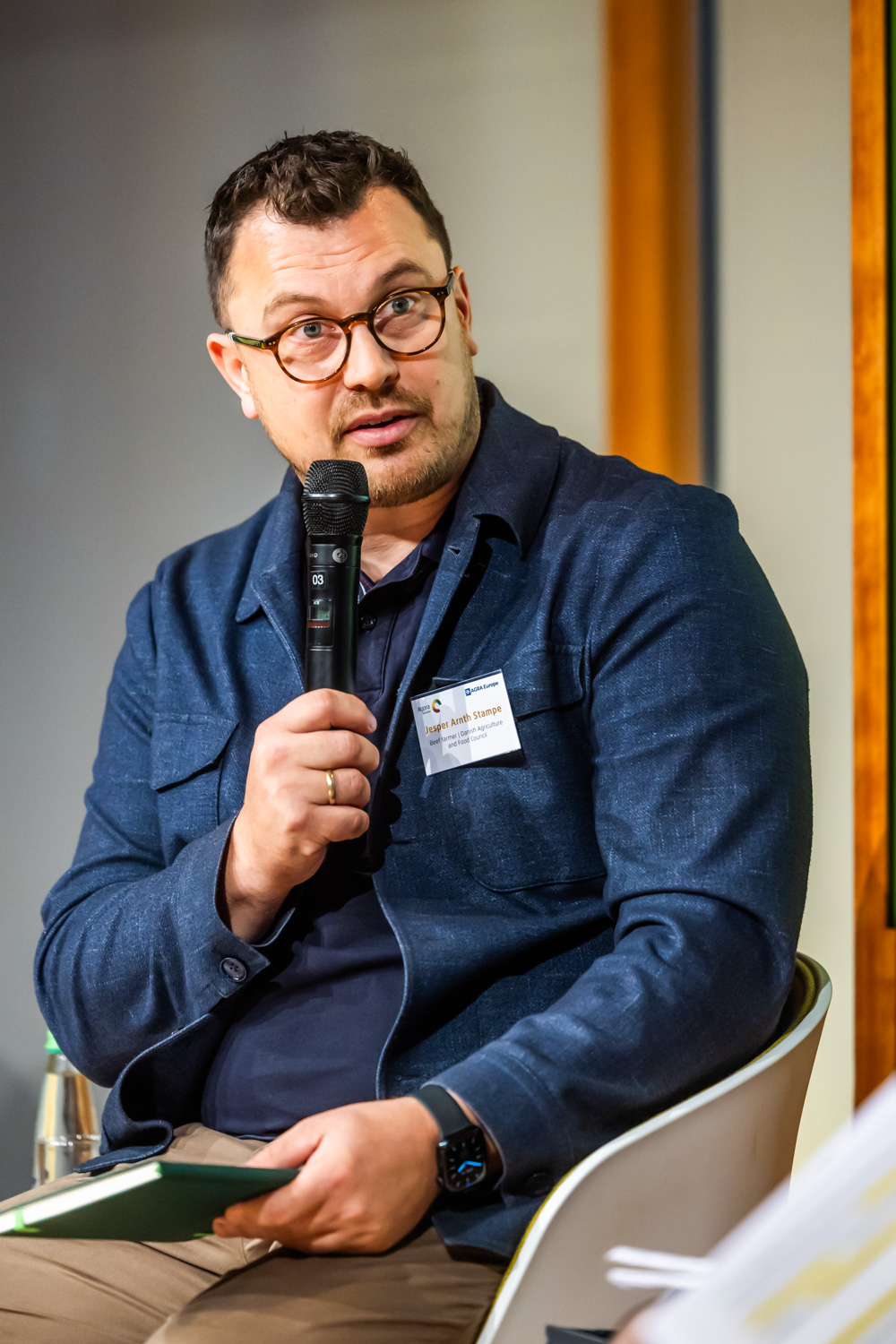
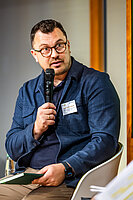
Jesper Arnth Stampe (Danish Agriculture and Food Council) shared his experience of methane mitigation on farms.
Photo: Rolf SchultenDownload: -
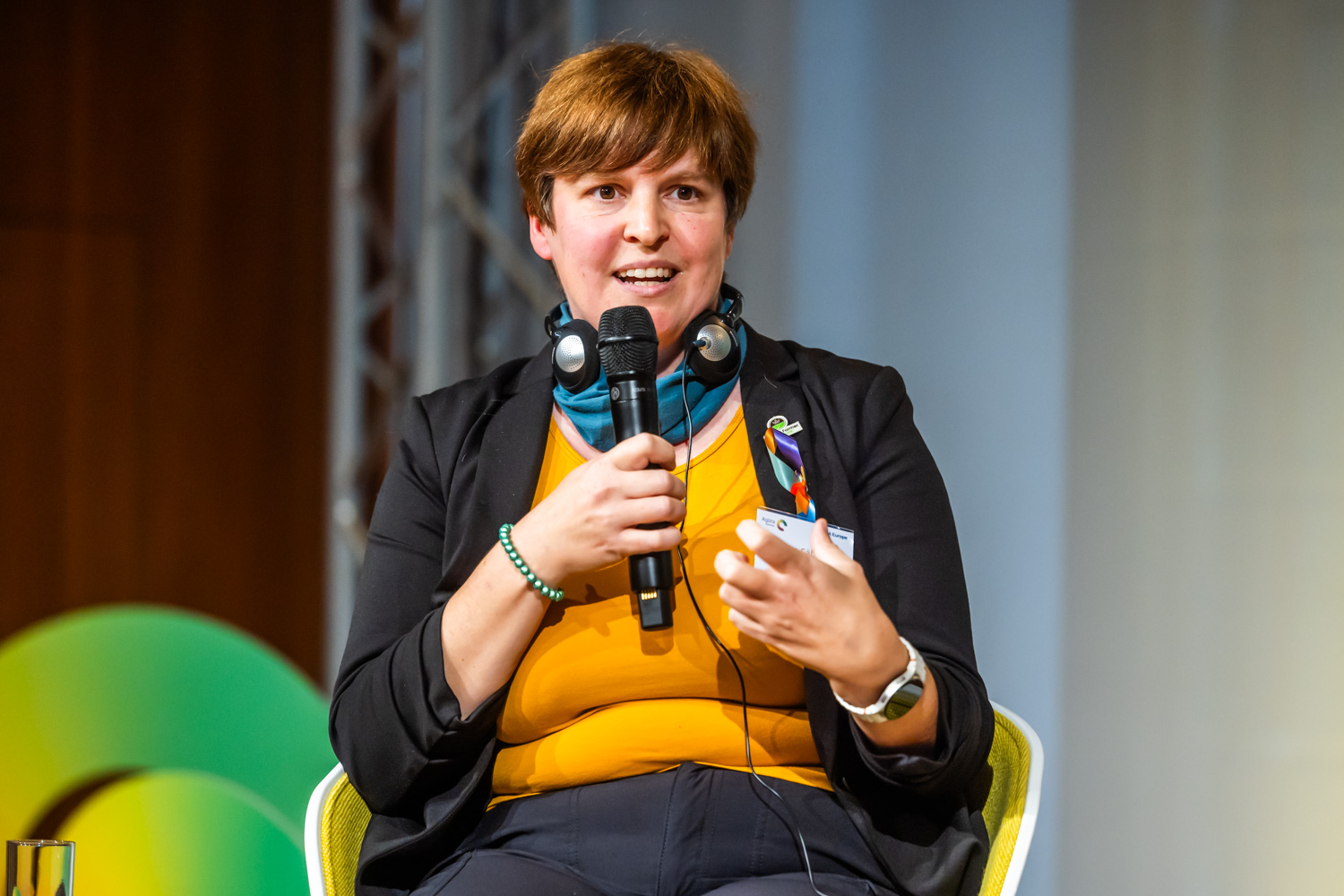
Jana Gäbert (agt Agrar GmbH) shared a farmer’s perspective on applying methane mitigation measures.
Photo: Rolf SchultenDownload: -
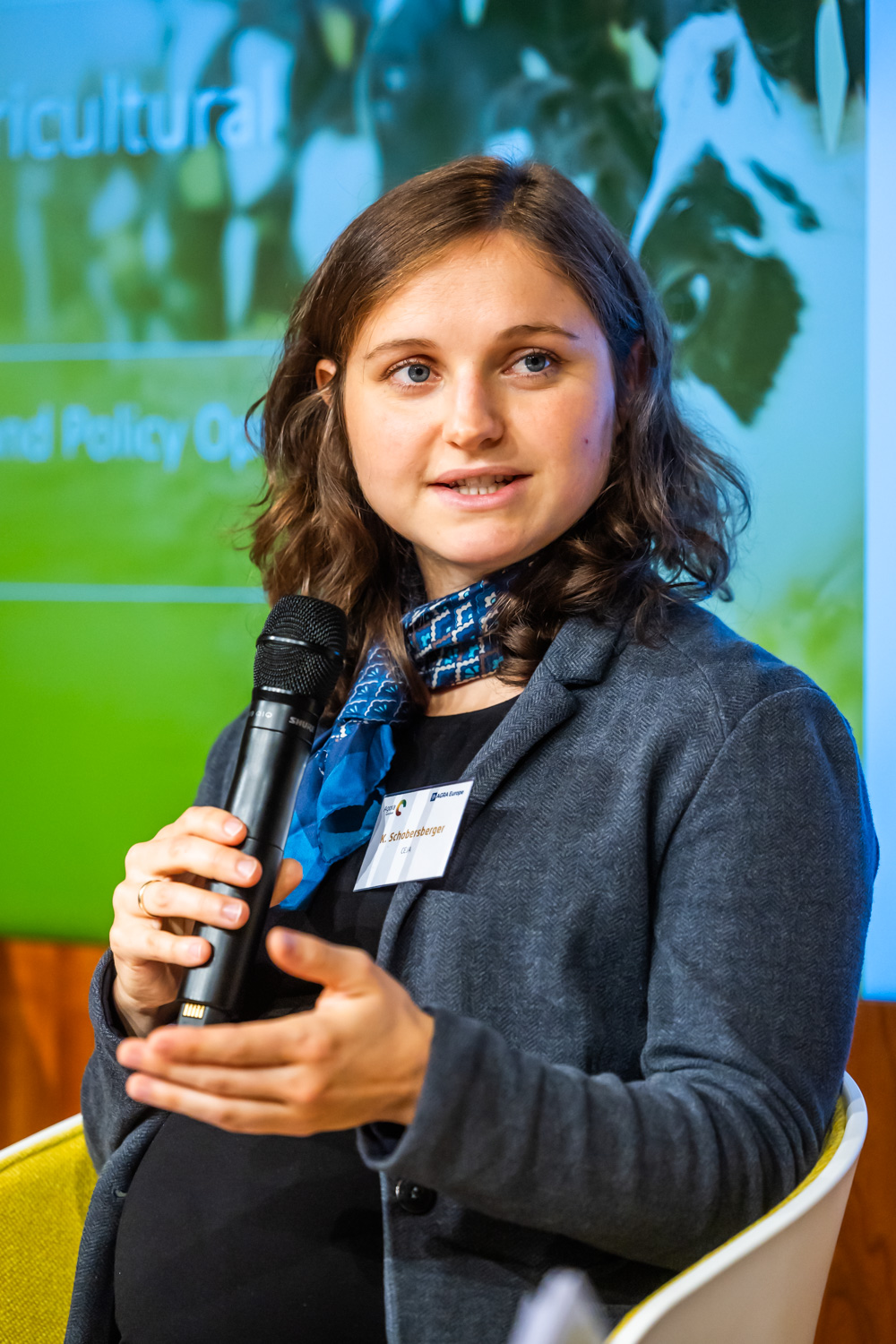
Katharina Schobersberger (European Council of Young Farmers) shared her experience with agricultural methane mitigation.
Photo: Rolf SchultenDownload: -
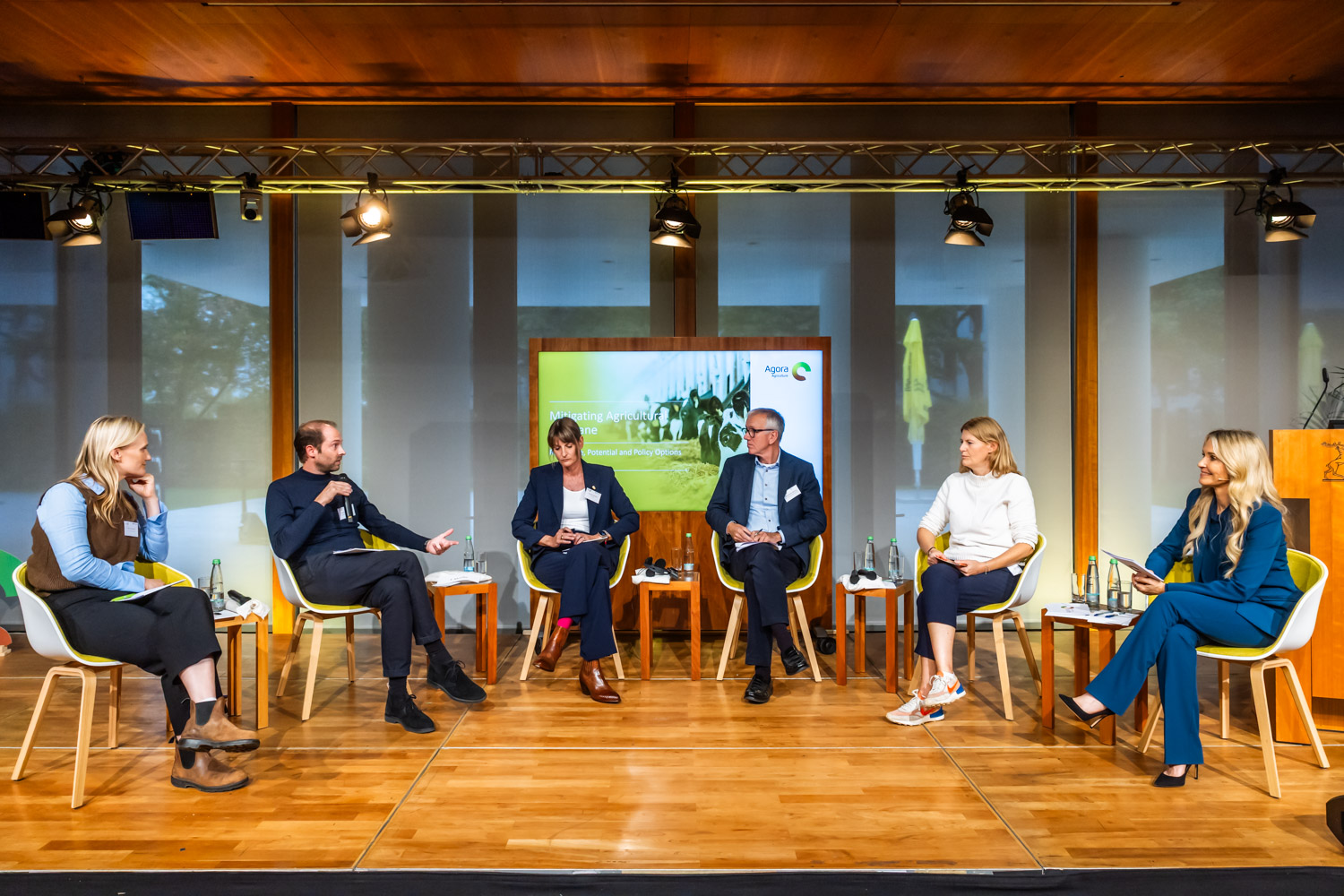
Industry representatives debated how to create a business case for reducing methane on farms. From left: Carla Henckel, Michael Löscher, Thordis Moeller, Niels Peter Nørring, Nina Wenzl and moderator Petra Bindl.
Photo: Rolf SchultenDownload: -
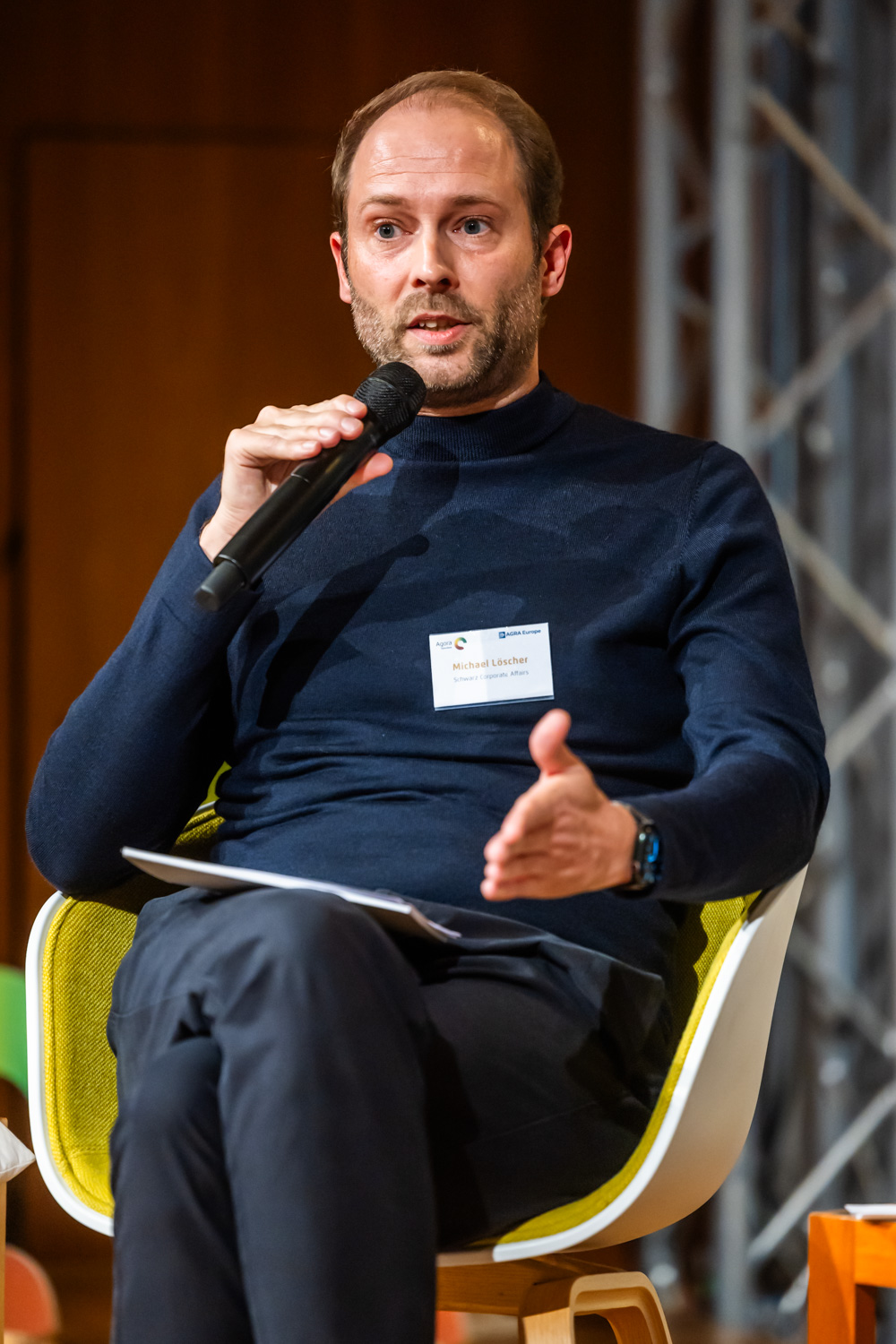
Michael Löscher (Schwarz Corporate Affairs) took part in the debate on creating a business case for reducing methane on farms.
Photo: Rolf SchultenDownload: -
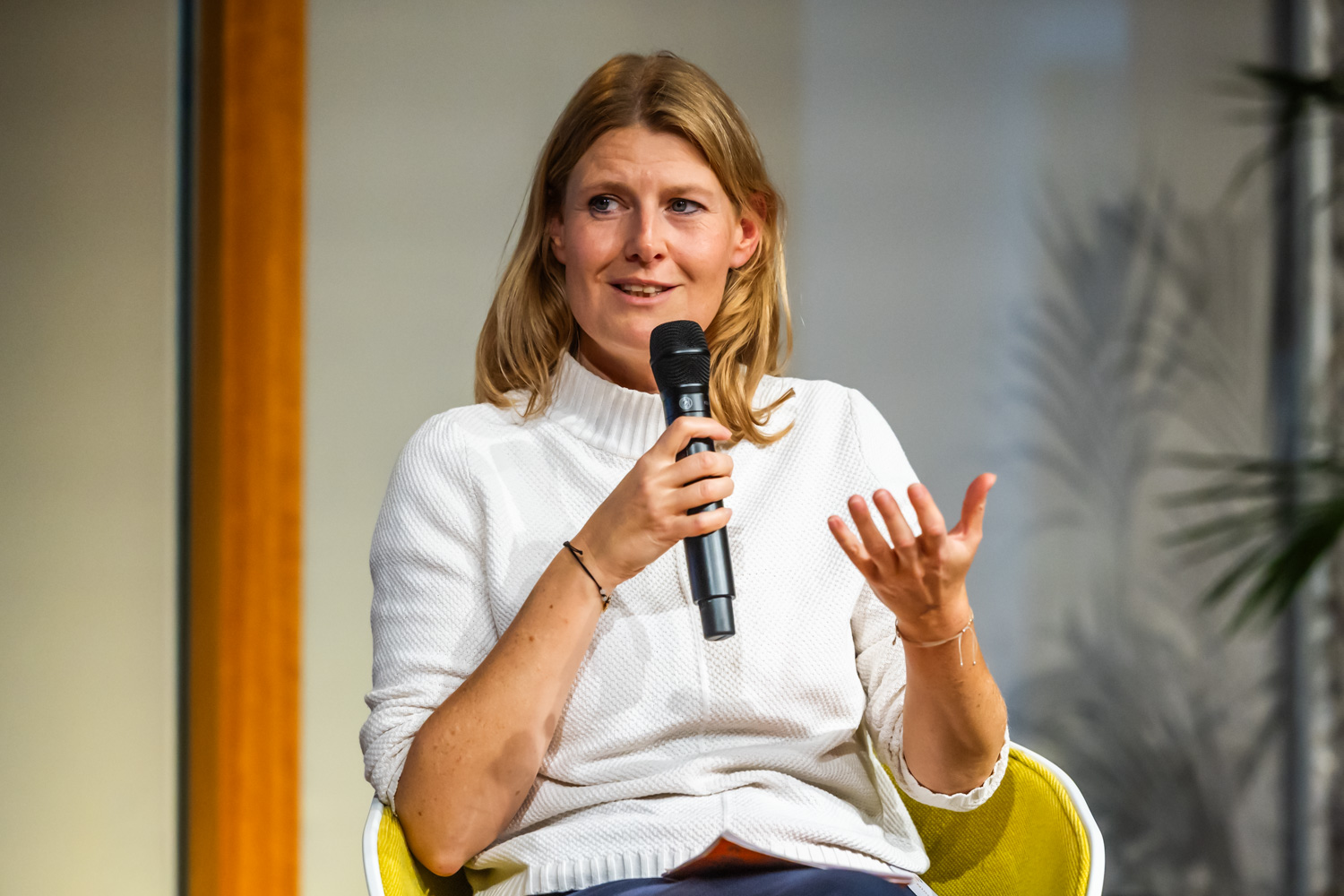
Nina Wenzl (Mars) contributed to the discussion on business incentives for farm-level methane reduction.
Photo: Rolf SchultenDownload: -
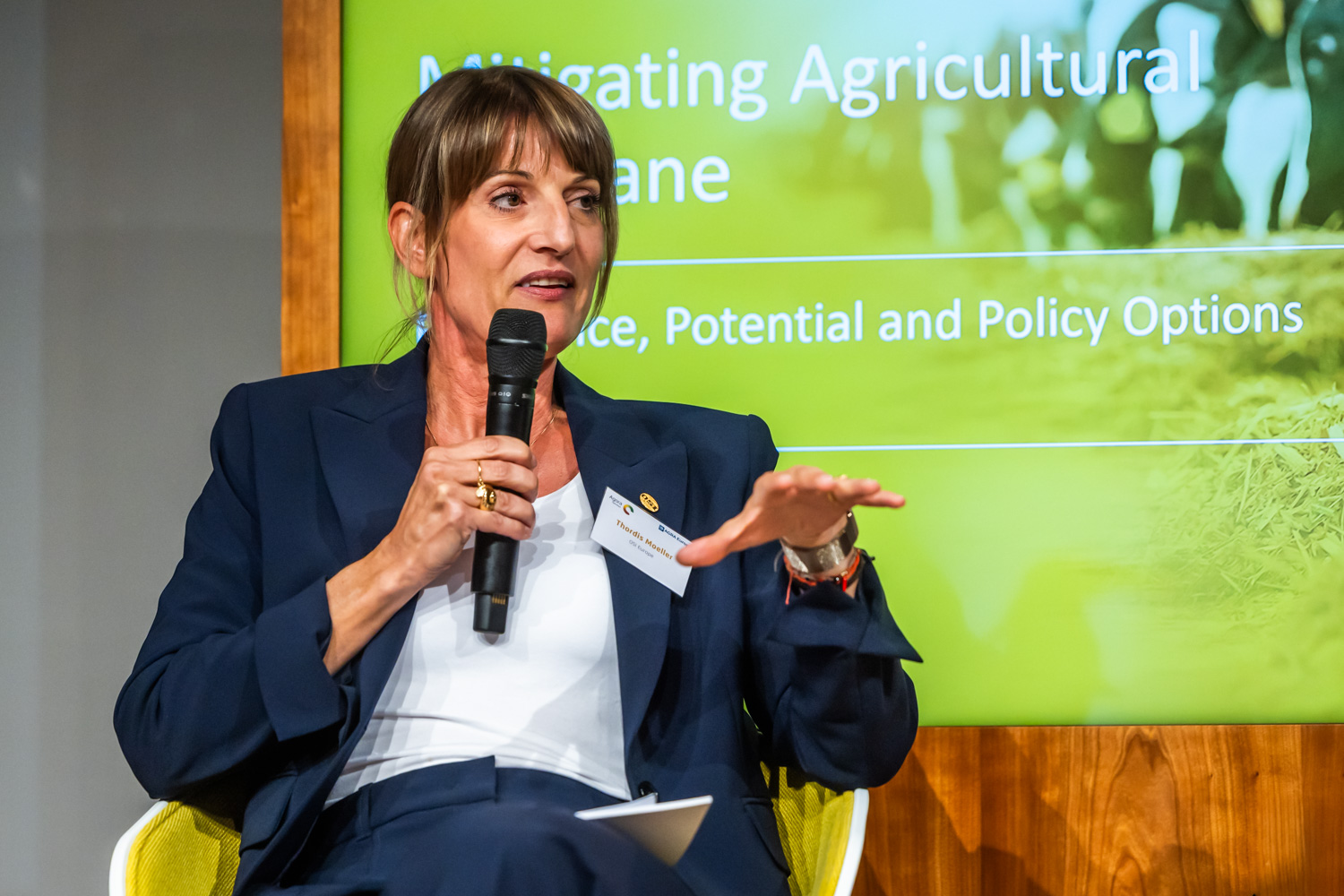
Thordis Moeller (OSI Europe) joined the debate on making methane mitigation work for farms and businesses.
Photo: Rolf SchultenDownload: -
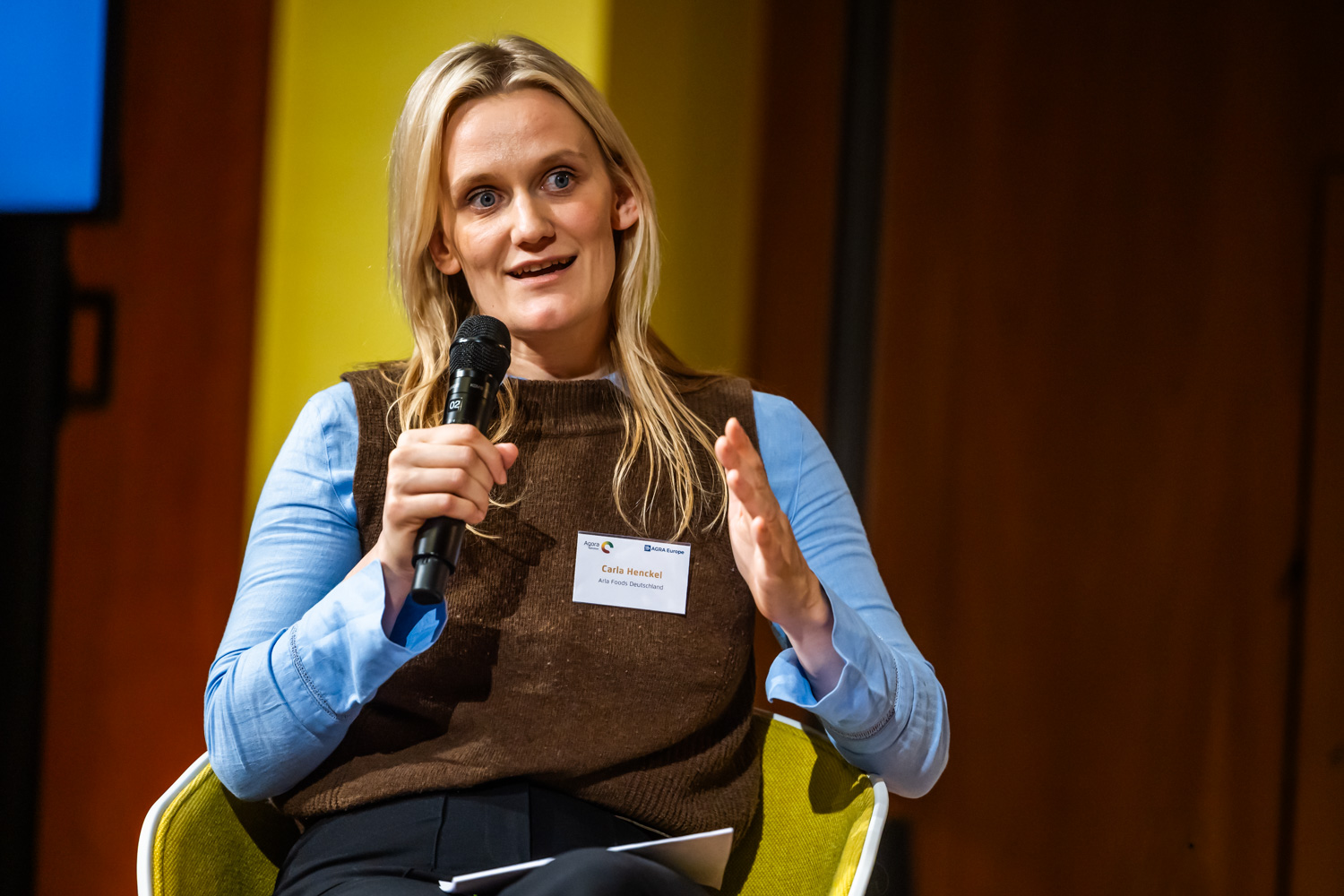
Carla Henckel (Arla Foods Deutschland) discussed how food businesses can help create a case for methane reduction.
Photo: Rolf SchultenDownload: -
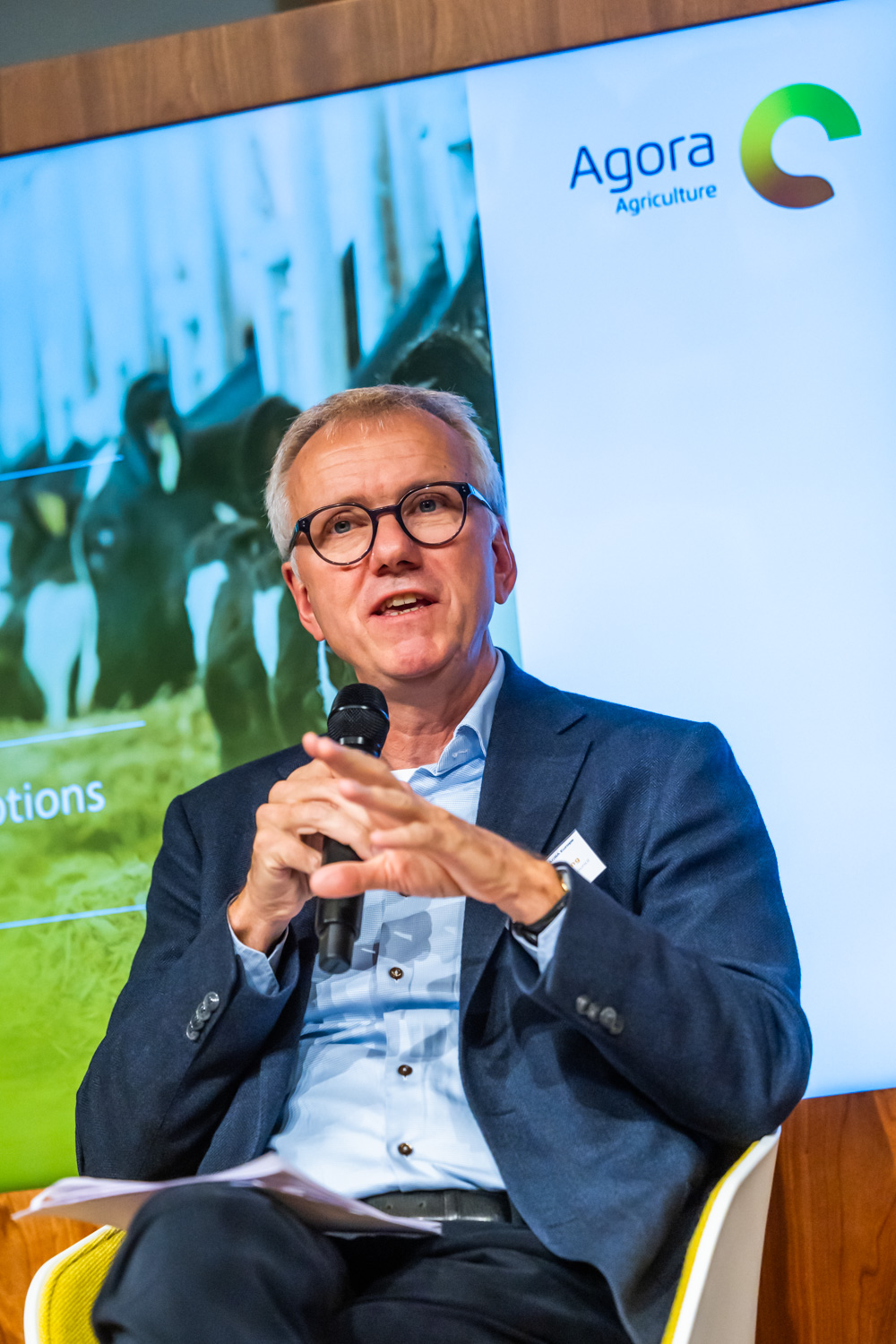
Niels Peter Nørring (Danish Agriculture and Food Council) took part in the debate on the business case for methane mitigation.
Photo: Rolf SchultenDownload: -
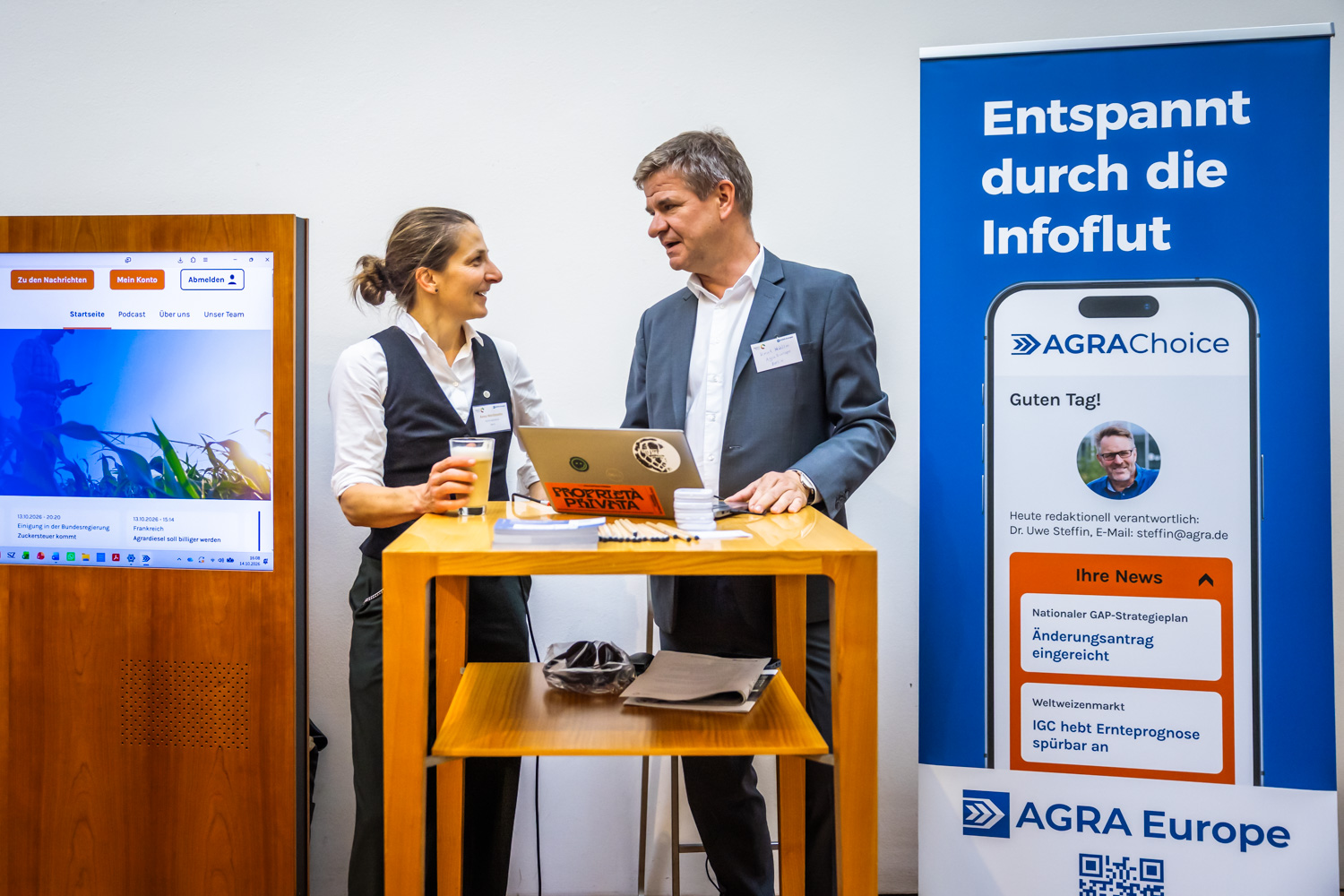
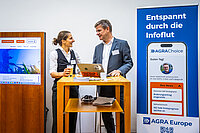
During the break, participants visited the AgraEurope information stand. AgraEurope was a partner of the event. Photo: Rolf Schulten Download: -
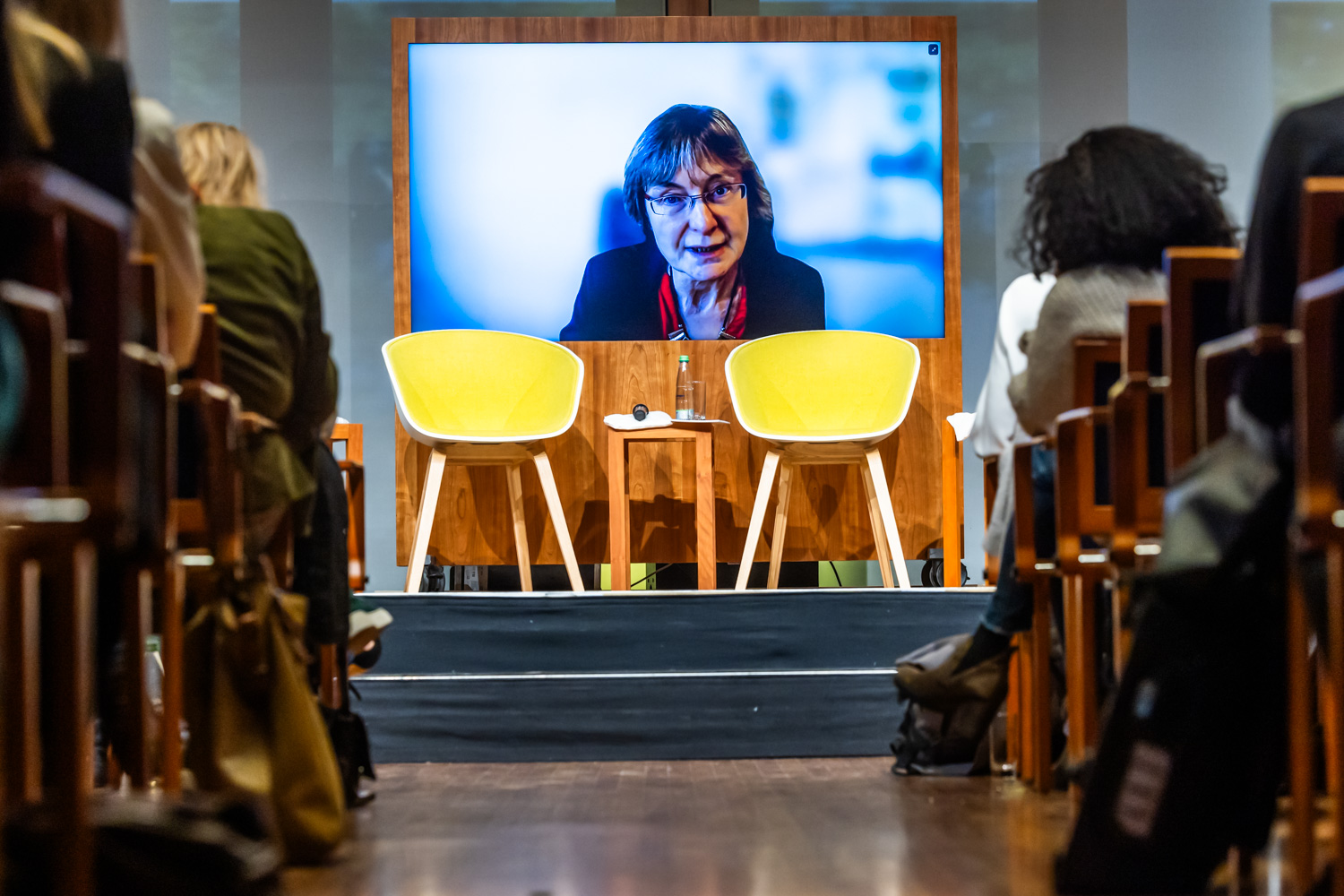
Brigitte Misonne (Acting Director for Markets and Head of Unit Animal Products, European Commission, DG AGRI) set the scene on the EU Livestock Strategy and climate mitigation. Photo: Rolf Schulten Download: -
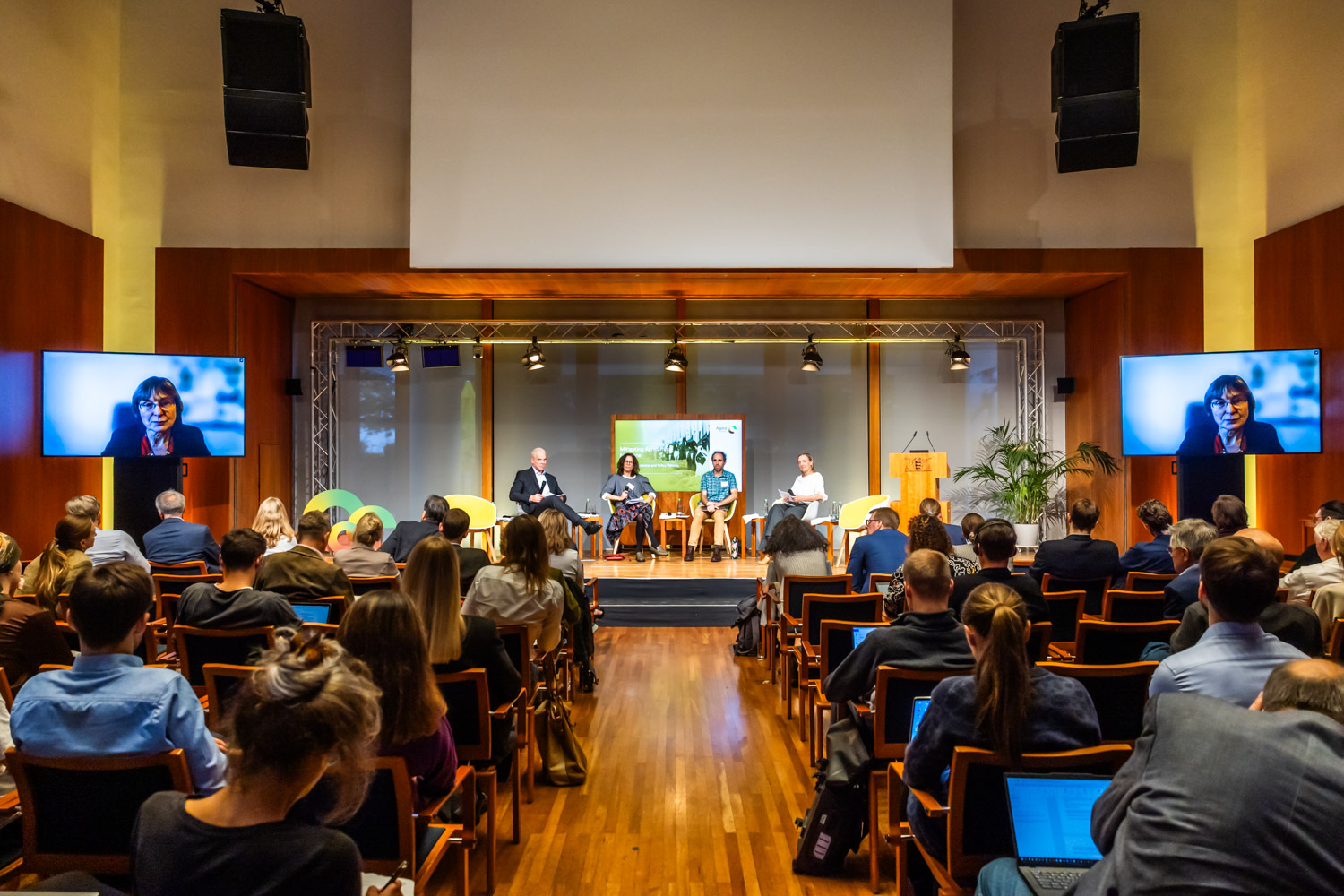
The panel discussed the role of enabling policies for methane reduction. On screen: Brigitte Misonne; in the room: Harald Grethe, Nusa Urbancic, Pierre-Marie Aubert and Christine Chemnitz.
Photo: Rolf SchultenDownload: -
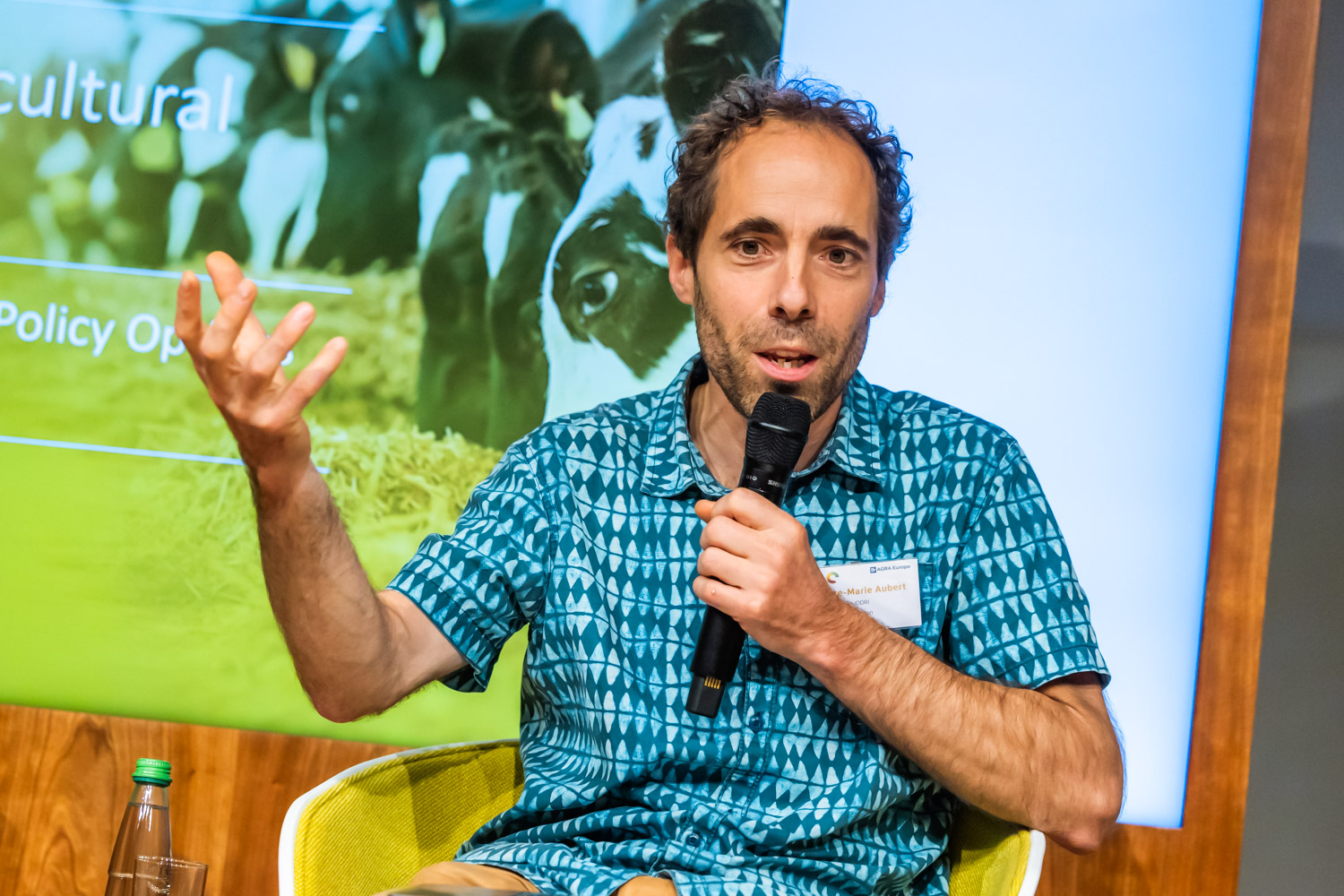
Pierre-Marie Aubert (IDDRI) took part in a conversation on policies that enable methane reductions.
Photo: Rolf SchultenDownload: -
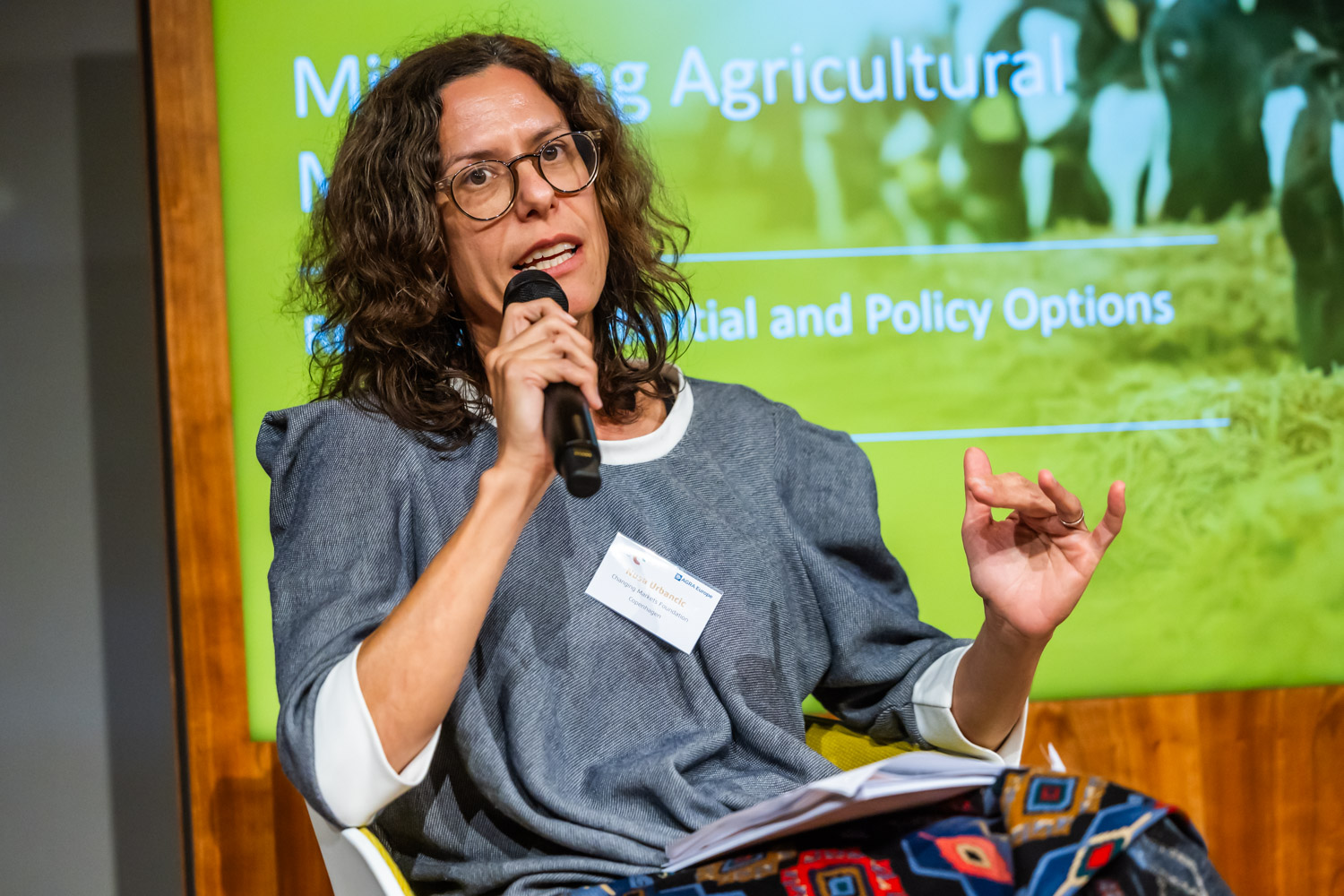
Nusa Urbancic (Changing Markets Foundation) contributed to the conversation on the policies needed to reduce agricultural methane.
Photo: Rolf SchultenDownload: -
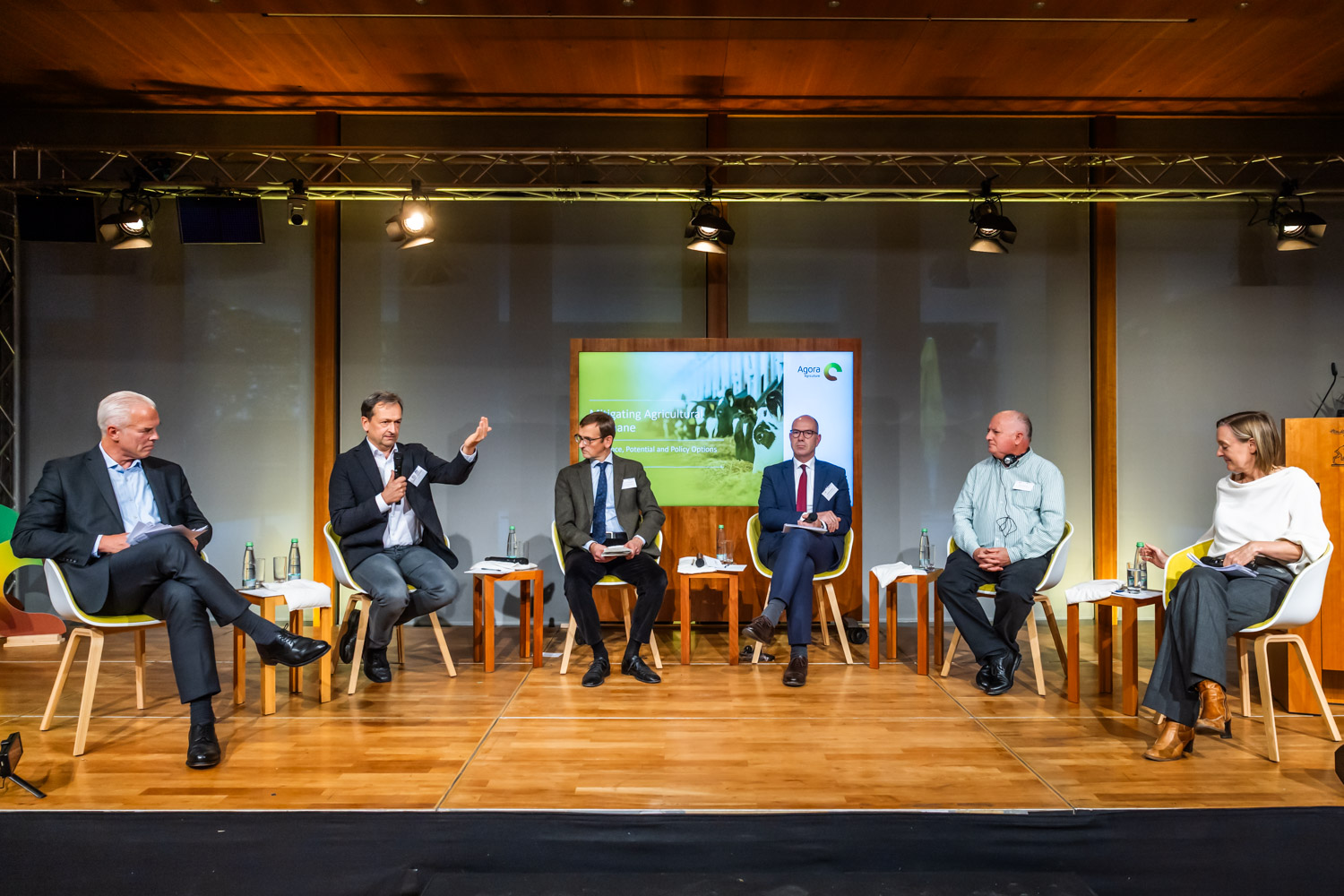
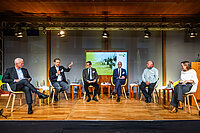
The policy panel explored ingredients of an enabling policy mix. From left: Harald Grethe, Christian Holzleitner, Sebastian von Keyserlingk, Steffen Pingen, Odón Sobrino and Christine Chemnitz. Photo: Rolf Schulten Download: -
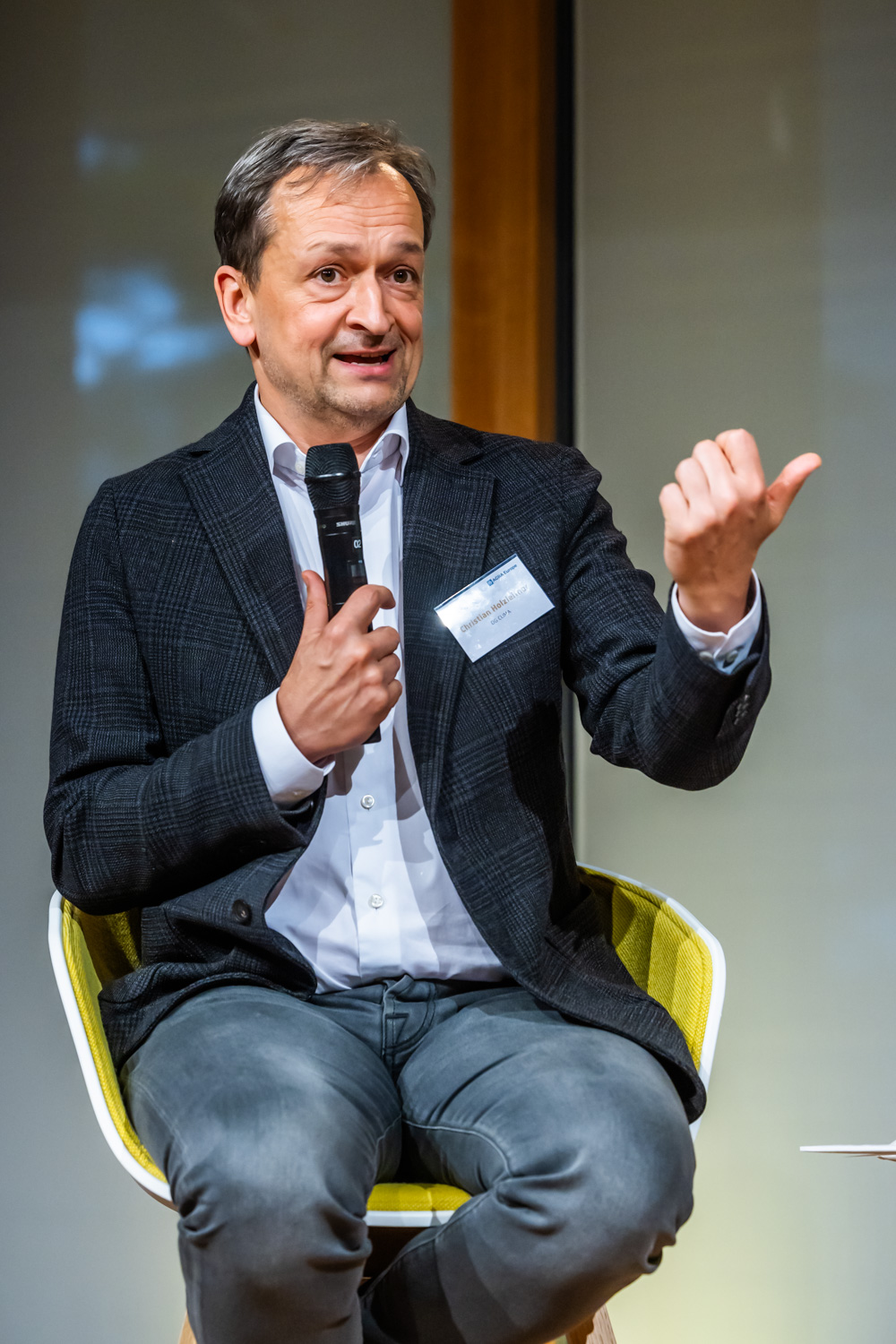
Christian Holzleitner (Head of Unit Land Economy and Carbon Removals, European Commission, DG CLIMA) contributed to the policy panel on an enabling policy mix. Photo: Rolf Schulten Download: -
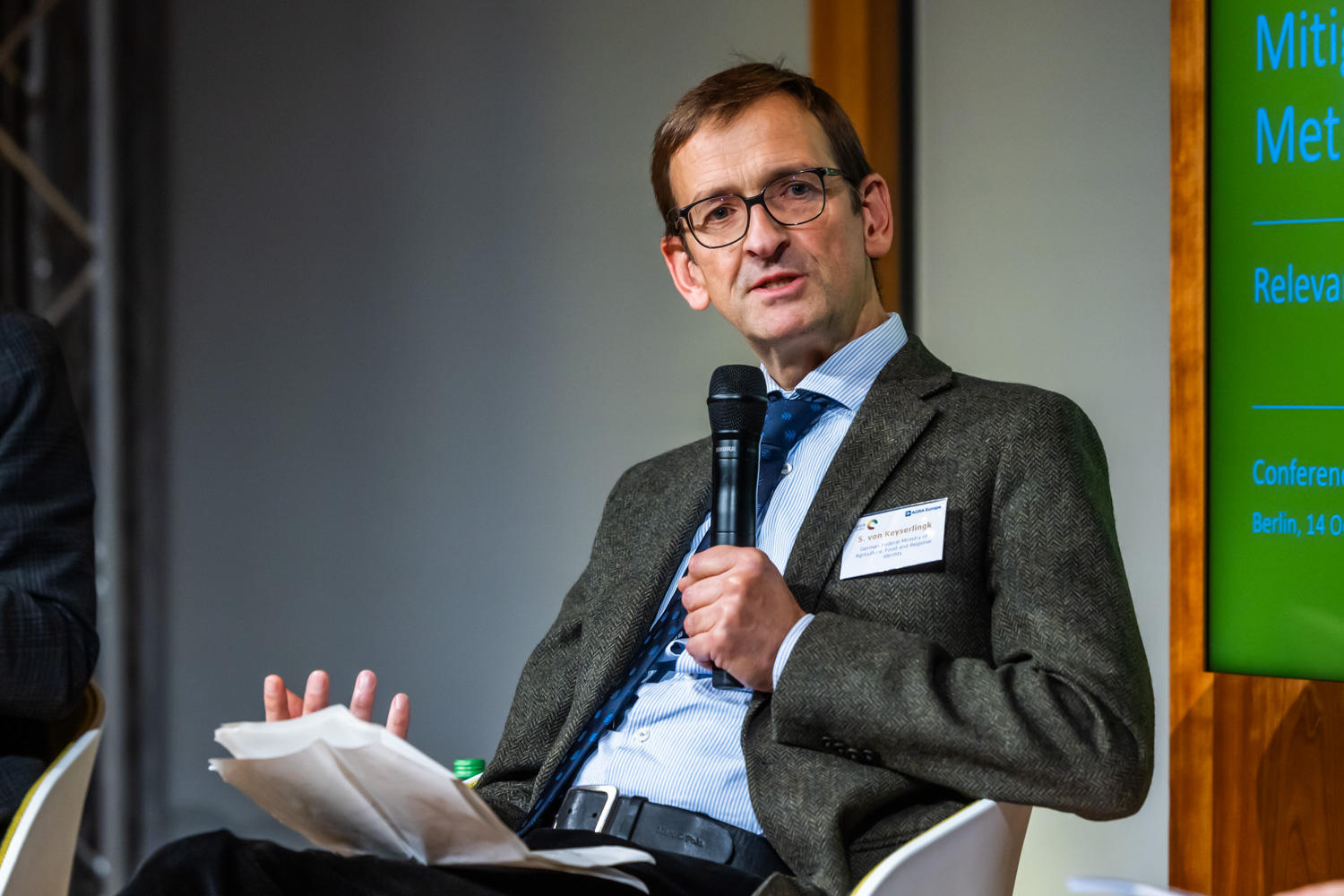
Sebastian von Keyserlingk (Head of Directorate Safety of the Food Chain, German Federal Ministry of Agriculture, Food and Regional Identity) joined the policy panel. Photo: Rolf Schulten Download: -
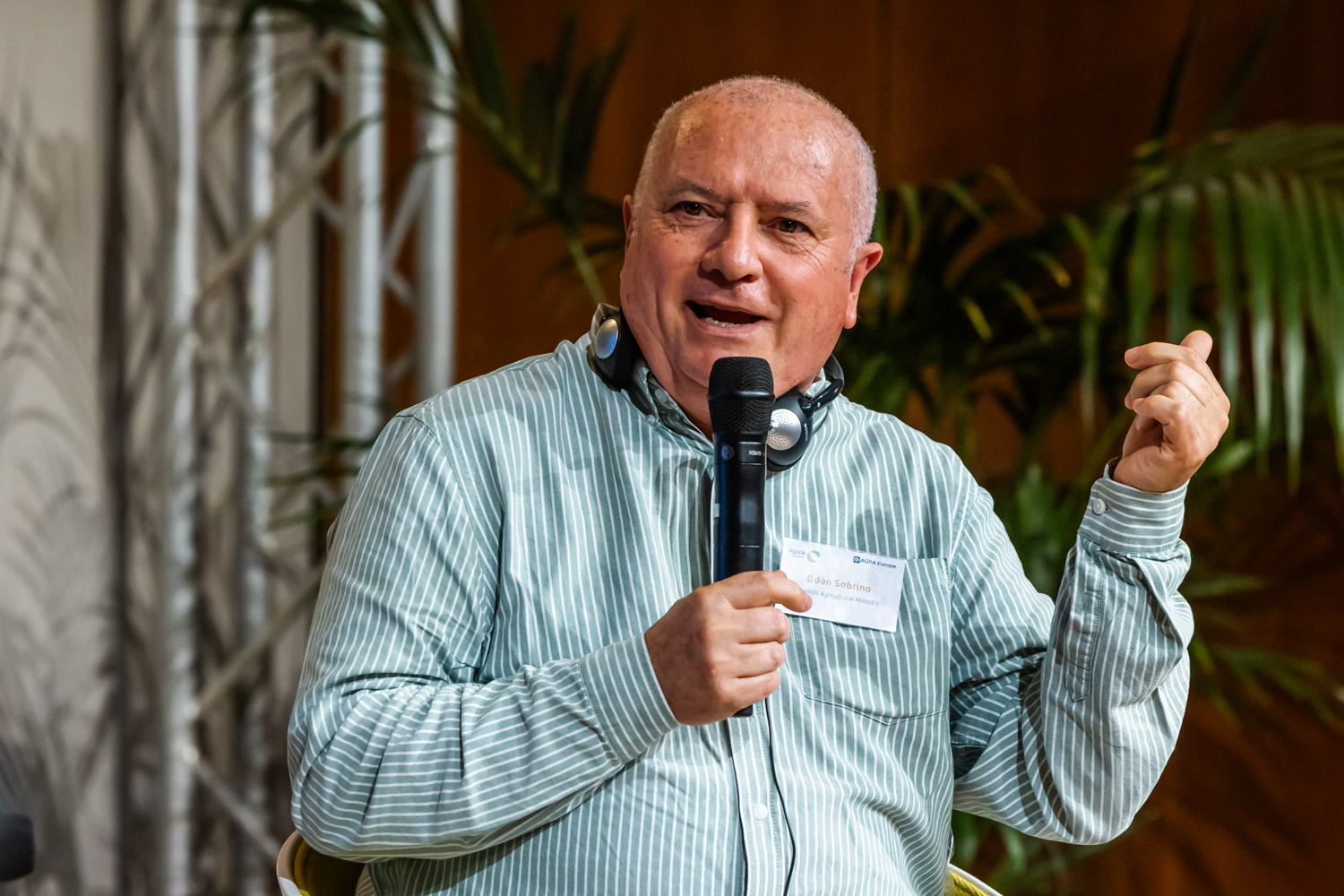
Odón Sobrino (Head of the Livestock Environmental Management Division, Spanish Ministry of Agriculture, Fisheries and Food) contributed to the policy panel on enabling measures. Photo: Rolf Schulten Download: -
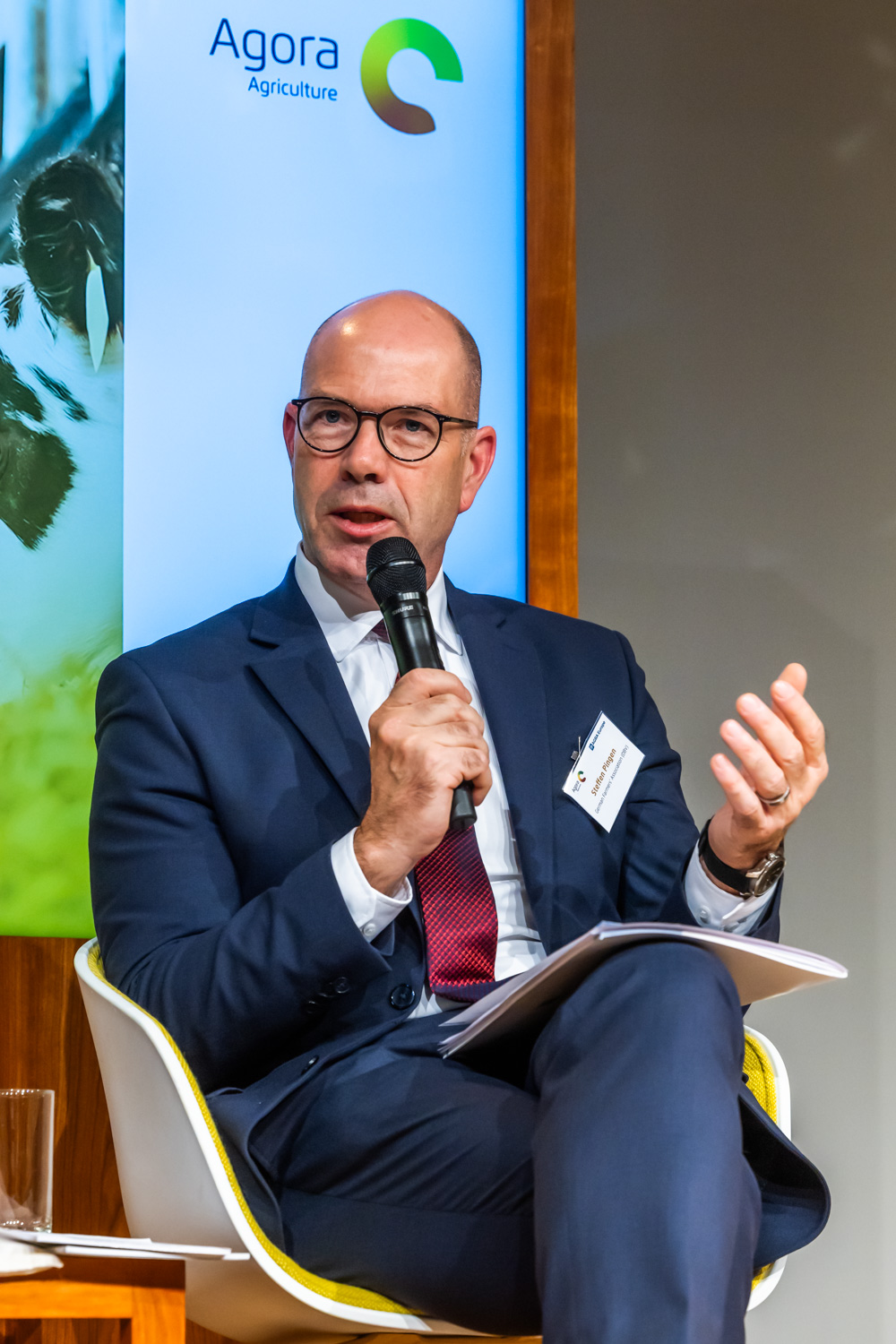
Steffen Pingen (Deputy Secretary-General, German Farmers’ Association) shared the farmers’ perspective in the discussion on an enabling policy mix. Photo: Rolf Schulten Download:
Event details
Mitigating Agricultural Methane: Relevance, Potential and Policy Options
State representation of Baden-Württemberg in Berlin
Tiergartenstraße 15
10785 Berlin
Germany
Upcoming events
If you want to receive news about upcoming events, please subscribe to our newsletter.